
Blog
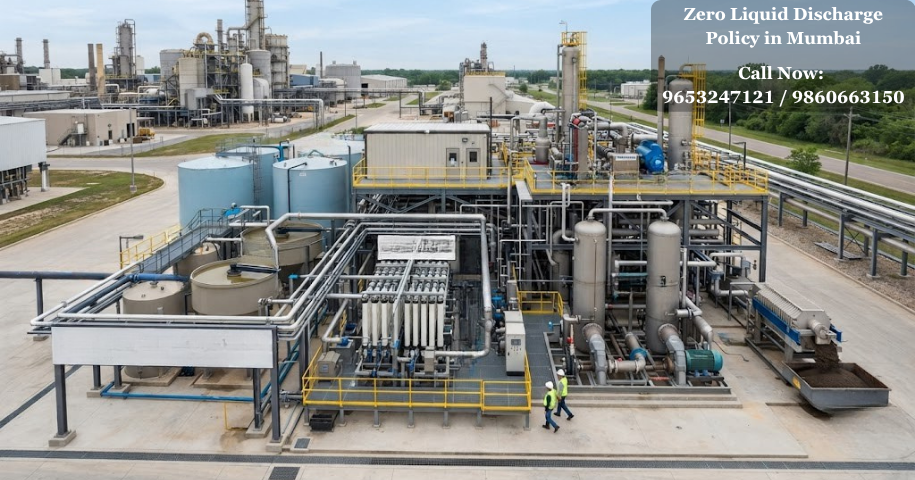
Zero Liquid Discharge Policy in Mumbai



 Enquire Now
Zero Liquid Discharge Policy in Mumbai | ZLD Systems, Compliance, Water Reuse & Industrial Wastewater Management by Aquacaresee Pvt. Ltd.
Zero Liquid Discharge Policy in Mumbai is an increasingly important topic for industries looking to manage wastewater responsibly, conserve water, improve process efficiency and meet applicable environmental requirements.
Call Now: 9653247121
Website: https://aquacaresee.com
What Is Zero Liquid Discharge?
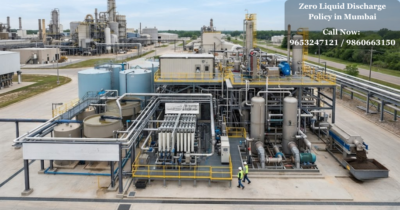
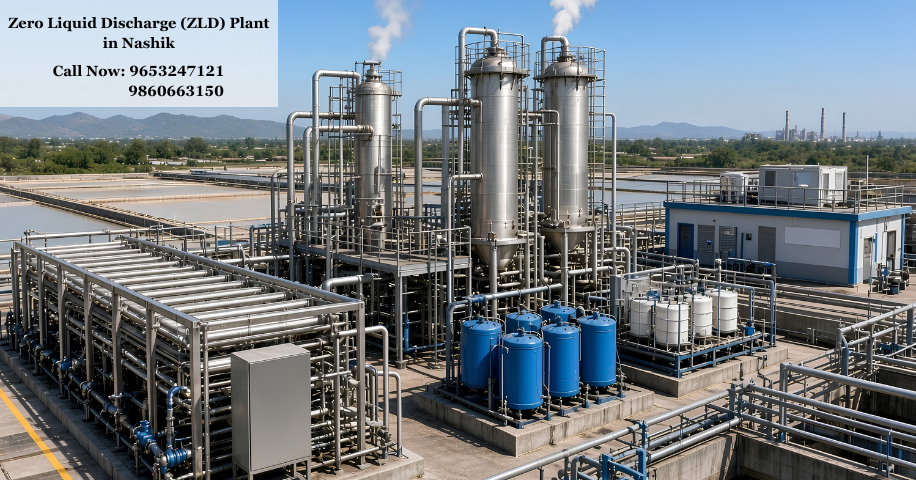
Zero Liquid Discharge (ZLD) is an advanced wastewater management approach designed to recover and reuse water while minimizing or eliminating liquid effluent discharge from industrial facilities.
Unlike conventional wastewater treatment, ZLD uses additional treatment and concentration processes to recover maximum usable water and reduce wastewater disposal requirements.
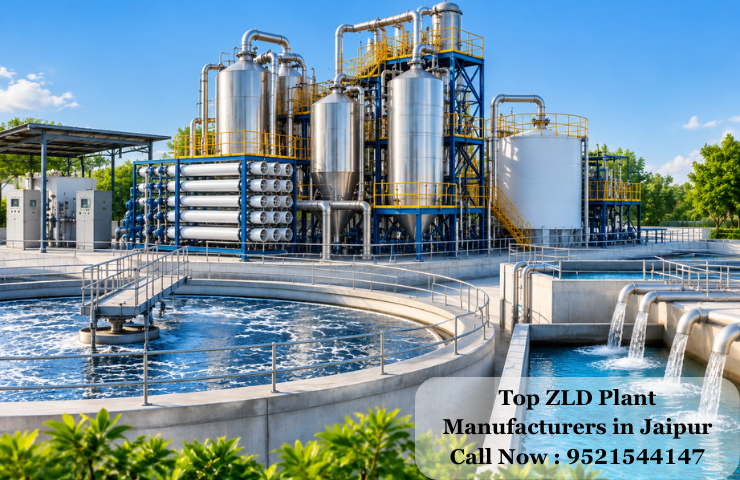
Depending on the wastewater characteristics, technologies such as RO, NF, evaporation, and crystallization may be integrated to recover water and manage the remaining concentrated solids responsibly.
The main objectives of ZLD include:
- Maximum practical wastewater recovery
- Reduction or elimination of liquid discharge
- Reduction in freshwater consumption
- Recycling of treated water
- Improved water-use efficiency
- Better control over industrial effluent
- Support for applicable environmental compliance requirements
- Reduction of dependence on freshwater sources
- Sustainable industrial water management
- Potential recovery of salts or other useful materials where technically and economically viable
ZLD does not mean that every project uses exactly the same process. The treatment configuration must be selected according to the wastewater characteristics and the client’s operational requirements.
What Does the Zero Liquid Discharge Policy in Mumbai Mean for Industries?
The phrase Zero Liquid Discharge Policy in Mumbai is commonly used when discussing regulatory and industrial requirements for eliminating or controlling liquid effluent discharge.
However, businesses should avoid assuming that one identical ZLD requirement automatically applies to every industry in Mumbai.
MPCB’s enforcement policy defines ZLD in terms of total utilization of liquid effluent within the process through recycling, reuse, reprocessing, recovery or a combination of these approaches, with no discharge into the environment.
MPCB consent-related decisions have also included conditions requiring specific industries to achieve ZLD and recycle treated effluent. For example, MPCB records contain cases involving requirements for industrial effluent ZLD and 100% recycling of treated effluent.
This means that an industry’s ZLD requirement should be assessed based on its:
- Industry category
- Manufacturing process
- Wastewater generation
- Effluent characteristics
- Existing ETP/STP infrastructure
- Consent conditions
- Applicable environmental requirements
- Water reuse objectives
- Site-specific technical conditions
Industries should therefore obtain appropriate technical and regulatory guidance before selecting or installing a ZLD plant.
Why Is ZLD Important for Mumbai Industries?
Mumbai’s industrial and commercial ecosystem creates a strong need for efficient water and wastewater management.
Industries consume water for:
- Manufacturing
- Cleaning
- Cooling
- Boiler feed
- Processing
- Washing
- Utility operations
- Production activities
- Sanitation
- Laboratory processes
- Equipment maintenance
These activities can generate wastewater containing suspended solids, dissolved solids, organic matter, oil and grease, chemicals, salts and other contaminants.
If wastewater is not properly managed, it can create environmental, operational and compliance risks.
A properly engineered ZLD strategy can help organizations move toward higher water recovery and greater internal reuse.
1. Water conservation
Freshwater is a valuable resource. Recycling treated wastewater can reduce dependence on fresh water for suitable applications.
2. Wastewater reduction
A ZLD approach aims to prevent the routine discharge of liquid effluent where the project is required or designed to achieve ZLD.
3. Process-water reuse
Recovered water may potentially be reused for applications such as cooling, washing, utilities, gardening or other suitable non-potable processes, depending on water quality and the facility’s requirements.
4. Environmental protection
Reducing liquid discharge can help minimize the risk of contamination of water resources when properly designed, operated and maintained.
5. Better resource efficiency
Instead of treating wastewater only as waste, ZLD approaches can recover water as a usable resource.
6. Support for sustainability goals
Water reuse and recycling can contribute to broader environmental, ESG and resource-efficiency objectives.
Is Zero Liquid Discharge Mandatory for Every Industry in Mumbai?
The applicability of ZLD depends on regulatory requirements and the specific circumstances of the project.
MPCB’s consent framework requires industries likely to discharge sewage or trade effluent to obtain appropriate consent.
MPCB documents also demonstrate that ZLD conditions can be imposed or considered in particular industrial circumstances. For example, MPCB consent documentation includes cases where industries are required to recycle or reuse treated effluent to the maximum extent to achieve ZLD.
In certain situations, ZLD may become particularly important because of:
- Industry-specific requirements
- Consent conditions
- Location-specific environmental considerations
- Non-performing CETP conditions
- Water-scarcity considerations
- Restrictions on effluent discharge
- High dissolved-solids wastewater
- Internal water-reuse objectives
- Corporate sustainability requirements
Therefore, before deciding whether a ZLD plant is required, an industry should undertake a technical and regulatory assessment.
Benefits of a Zero Liquid Discharge System
1. Maximum Water Recovery
One of the primary objectives of ZLD is maximizing the recovery of usable water from wastewater.
2. Reduced Freshwater Consumption
Reusing treated wastewater can reduce the requirement for fresh water.
3. Reduced Liquid Discharge
Where ZLD is applicable and achieved, liquid effluent is not routinely discharged outside the facility.
4. Better Environmental Management
ZLD can help reduce the potential impact associated with industrial liquid discharge.
5. Sustainable Manufacturing
Water recycling can support resource-efficient production.
6. Improved Operational Control
Treating and reusing wastewater internally can provide industries with greater control over their water cycle.
7. Long-Term Water Security
Water recovery can reduce dependence on external water sources.
8. Potential Recovery of Valuable Materials
Some industrial wastewater streams contain recoverable salts or materials. Whether recovery is economically viable depends on wastewater composition and project economics.
Zero Liquid Discharge and MPCB Compliance
The Maharashtra Pollution Control Board (MPCB) plays a key role in regulating pollution from industries in Maharashtra.
MPCB’s consent-management framework covers industries and processes that may discharge effluent or emit pollutants. Consent to Establish is generally obtained before establishing the relevant industry or process, while Consent to Operate is required after the plant and pollution-control systems have been established.
For industries considering ZLD, regulatory planning should therefore form part of the project from the beginning.
A technical consultant or wastewater-treatment specialist should examine:
- Existing consent conditions
- Wastewater generation
- Effluent characteristics
- Production process
- Water consumption
- Existing ETP performance
- Proposed water-reuse applications
- Sludge and solid-residue management
- Energy requirements
- Space availability
- Applicable regulatory standards
- Monitoring requirements
This approach reduces the risk of selecting technology before understanding the actual wastewater problem.
How Aquacaresee Helps with ZLD Projects in Mumbai
Aquacaresee Pvt. Ltd. provides end-to-end water and wastewater treatment services.
The company has been operating since 2006 and brings more than 20 years of experience in water and wastewater treatment.
Its capabilities include:
- ZLD plant design
- ZLD system engineering
- Wastewater Treatment Plants
- Effluent Treatment Plants
- Reverse Osmosis systems
- Water Treatment Plants
- Turnkey projects
- Consultancy
- Supply
- Installation
- Commissioning
- Annual Maintenance Contracts
- Operation & Maintenance
- Plant performance optimization
- Technical support
- Process upgrades
Aquacaresee’s website identifies ZLD, WWTP, ETP, RO and other treatment systems among its product and service portfolio.
E-E-A-T | Why Aquacaresee is a Trusted Industry Partner
Experience
Established in 2006, Aquacaresee has 20+ years of experience in designing, manufacturing, supplying, installing, commissioning, and maintaining water and wastewater treatment systems.
Expertise
Aquacaresee provides specialized solutions including ZLD Plants, WWTP, ETP, RO Systems, water treatment, wastewater recycling, consultancy, AMC, and O&M, customized according to industry requirements.
Authoritativeness
With experience across industries such as manufacturing, pharmaceutical, healthcare, hospitality, agriculture, and municipal applications, Aquacaresee delivers integrated and industry-specific wastewater management solutions.
Trustworthiness
Aquacaresee focuses on quality engineering, customized system design, professional installation, reliable commissioning, transparent consultation, and ongoing AMC & O&M support to help clients achieve efficient and sustainable wastewater management.
Frequently Asked Questions (FAQs)
Q1. What is Zero Liquid Discharge (ZLD)?
Ans: ZLD is a wastewater treatment approach designed to recover water and eliminate liquid discharge.
Q2. Is ZLD mandatory in Mumbai?
Ans: ZLD requirements depend on the industry, wastewater characteristics, and applicable MPCB consent conditions.
Q3. Which industries need ZLD solutions?
Ans: Manufacturing, pharmaceutical, chemical, healthcare, hospitality, agriculture, and other water-intensive industries may benefit from ZLD.
Q4. Does Aquacaresee provide ZLD plants in Mumbai?
Ans: Yes, Aquacaresee provides customized ZLD design, supply, installation, commissioning, and O&M services.
Q5. How can I get a ZLD consultation?
Ans: Contact Aquacaresee at 9653247121 for customized ZLD and wastewater treatment solutions.
Contact Aquacaresee Pvt Ltd
- Phone:+ 91 – 96532 47121 / + 91 – 98606 63150
- Email: marketing@aquacaresee.com
- Website: www.aquacaresee.com
- Add: 8th floor office No.810, KAMDHENU 23 WEST, TTC Industrial Area, MIDC Industrial Area, Pawne, Navi Mumbai, Maharashtra 400705, Navi Mumbai, Maharashtra 400705.
- Add: Office No. 204, Aquacaresee Pvt. Ltd.; 205; and 206, Old Mumbai-Pune Hwy, opp. Hotel Silver Seven, Akurdi Gaothan, Vivek Nagar, Akurdi, Pimpri-Chinchwad, Pune, Maharashtra 411035.
- Add: Hanuman Vatika, F/1 – 56-A/3, I, opposite Golden Dags Resorts, near 200 Feet Bypass Road, Hanuman Vatika-1, Heerapura, Heerawala, Jaipur, Rajasthan 302024.
Conclusion
The Zero Liquid Discharge Policy in Mumbai is an important subject for industries seeking better wastewater management, water conservation and environmental responsibility. However, ZLD should not be approached as a generic compliance checkbox. A professionally engineered ZLD system can integrate pretreatment, biological or physicochemical treatment, membrane filtration, RO, evaporation and crystallization according to the wastewater characteristics and project objectives.
For industries, the benefits can include higher water recovery, reduced freshwater dependence, improved wastewater management, greater internal water reuse and support for applicable environmental requirements. At the same time, ZLD requires careful consideration of energy consumption, chemical usage, scaling, fouling, maintenance, solid waste management and operating costs.
Aquacaresee Pvt. Ltd., established in 2006 with more than 20 years of experience, provides customized water and wastewater treatment solutions including ZLD, WWTP, ETP, RO and turnkey projects. The company provides engineering, supply, installation, commissioning, consultancy, AMC and O&M services for industrial and institutional applications.
Call Now: 9653247121
“Don’t forget to share this post!”