

Blog
Wastewater Treatment Plant Process in Pune



 Enquire Now
Wastewater Treatment Plant Process in Pune | Aquacaresee Pvt. Ltd.
Understanding the complete Wastewater Treatment Plant Process in Pune helps industries plan reliable effluent handling and water reuse. A well-structured treatment train removes contaminants step by step, protects natural water bodies, and supports regulatory compliance. Working with an experienced effluent management specialist ensures each stage is sized correctly.
Aquacaresee Pvt. Ltd., operating since 2006, has spent more than two decades engineering wastewater treatment systems for Indian industries. From its Pune base, the firm handles design, fabrication, supply, erection, commissioning, and long-term upkeep of tailored effluent treatment plants.
Call Now: 9653247121
Website: https://aquacaresee.com
About Us
Aquacaresee Pvt. Ltd. is an established Pune-headquartered environmental engineering firm founded in 2006, delivering end-to-end wastewater treatment infrastructure to factories, campuses, and civic bodies across India. Every system we build is engineered around the actual effluent profile of the client’s facility.
- Core capability: Turnkey Effluent Treatment Plants (ETP), Sewage Treatment Plants (STP), and advanced Zero Liquid Discharge (ZLD) systems.
- Specialist services: Process design, equipment fabrication, turnkey project execution, and O&M support.
- Long-term care: Structured Annual Maintenance Contracts and plant health monitoring.
- Consulting: Effluent audits, treatability studies, and technical advisory.
Our clients span manufacturing, hospitals, hotels, agro-processing, and municipal utilities. Each engagement is measured against water recovery targets and responsible wastewater management outcomes.
Stage-by-Stage Breakdown of a Modern Wastewater Treatment Train
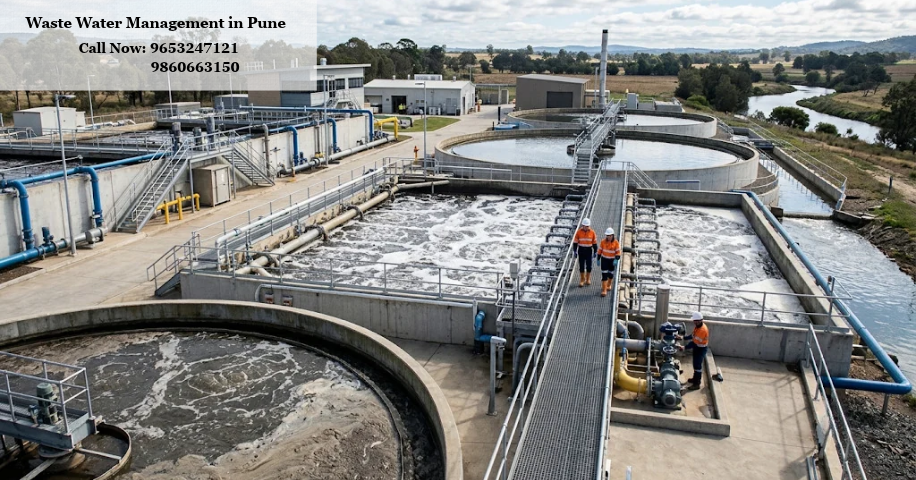
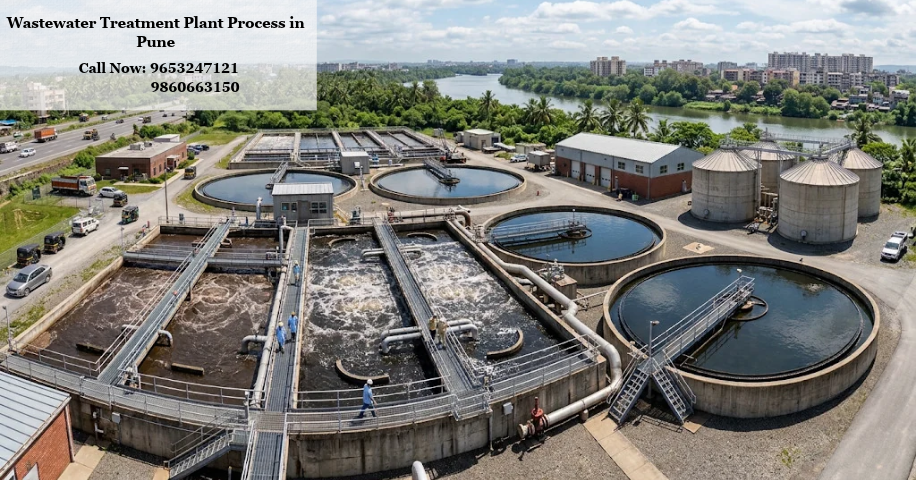
A treatment plant works as a linked sequence of physical, chemical, and biological operations. Raw effluent enters at one end, and each successive stage reduces a specific class of pollutant until the water meets the discharge or reuse specification. For professional wastewater solutions, Waste Water Management in Pune.
The principal treatment stages usually include:
- Inlet screening and grit removal to trap coarse solids.
- Homogenisation in an equalisation tank to steady flow and load.
- Primary physical-chemical dosing, coagulation, and flocculation.
- Biological aeration or anaerobic digestion for organic reduction.
- Secondary clarification to settle biological sludge.
- Filtration through sand, carbon, or multimedia beds.
- Membrane polishing using ultrafiltration and reverse osmosis.
- Sludge thickening, dewatering, and safe cake disposal.
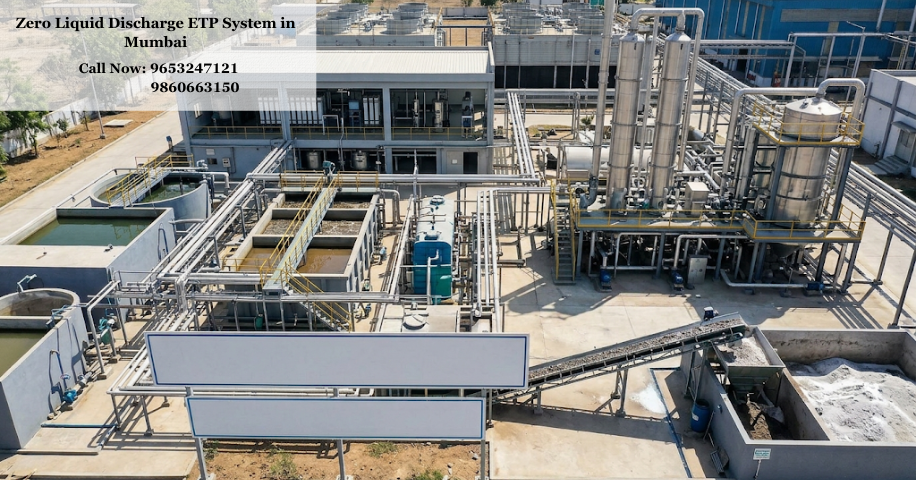
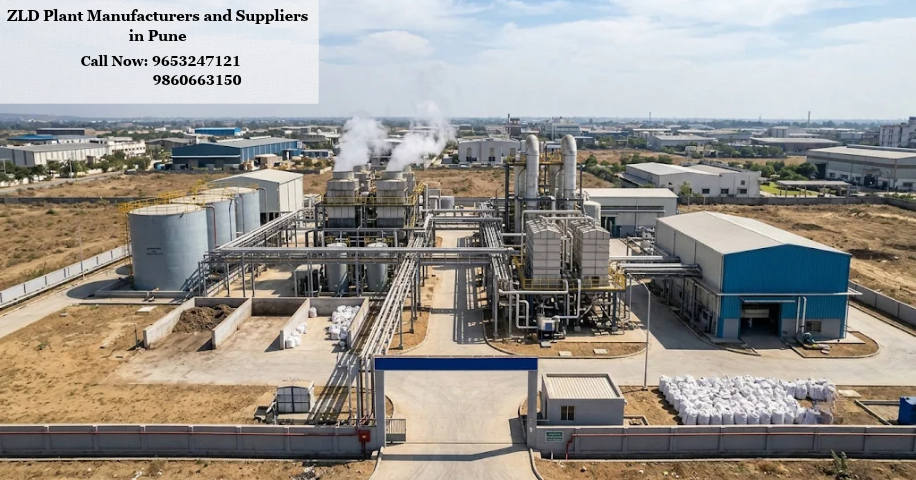
Where recovery is the objective, the train extends beyond conventional treatment into water recovery and zero liquid discharge territory. Evaporation and crystallisation then handle the concentrated reject stream so that minimal liquid leaves the site.
Drivers Pushing Pune Industries Toward Advanced Effluent Treatment
Pune’s industrial corridor, from Chakan and Ranjangaon to Pimpri-Chinchwad, hosts automotive, pharma, chemical, and food-processing units that generate complex effluent streams. Tighter consent conditions and rising freshwater tariffs have pushed plant managers to rethink how they treat and reuse water.
Key adoption drivers include:
1. Stricter Effluent Discharge Norms
Pollution control boards now enforce tighter limits on BOD, COD, TSS, and dissolved salts, forcing plants to add polishing and recovery stages.
2. Rising Cost of Freshwater Intake
Municipal water charges and tanker dependency make recovered water an attractive economic alternative for cooling, washing, and utility duty.
3. Corporate Sustainability Commitments
Group-level ESG reporting and water-positive pledges now require documented recovery rates and reduced liquid discharge from every manufacturing site.
4. Space and Zoning Constraints
Compact packaged treatment units with membrane bioreactors allow factories in dense industrial estates to meet norms without large land footprints.
5. Operational Cost Visibility
Automation and remote monitoring let plant teams track energy, chemical, and membrane costs per kilolitre, making treatment economics transparent.
Sectors That Rely on Well-Designed Treatment Plants
Effluent quality varies enormously across industries, so no two treatment plants are identical. Dissolved salts, oils, heavy metals, and organic load each demand a different combination of unit operations and process controls.
Automotive and Engineering Units
Metal finishing, paint shop, and coolant waste streams carry oils, phosphates, and heavy metals that need chemical pretreatment before biological polishing.
Pharmaceutical and Bulk Drug Plants
High COD solvents, spent acids, and dissolved salts make these effluents among the hardest to treat, often requiring evaporation and crystallisation for final disposal.
Hospitals and Healthcare Campuses
Lab waste, laundry effluent, and sanitation flows require disinfection and membrane filtration to safeguard public health and meet campus reuse goals.
Hotels, Resorts, and Commercial Complexes
Kitchen, laundry, and housekeeping flows are high in organics and surfactants; compact STP and recycling systems allow these properties to reuse water for flushing and landscaping.
Food, Dairy, and Agro-Processing Facilities
Whey, starch, and wash-water streams are rich in biodegradable organics; anaerobic digestion followed by aerobic polishing recovers biogas while cutting load.
Municipal and Township Utilities
Large residential communities and civic bodies operate STPs to treat sewage to reuse standards for horticulture, flushing, and construction water.
Operational and Environmental Gains from a Purpose-Built Treatment Plant
A correctly sized plant does more than meet consent conditions. It turns wastewater from a disposal liability into a controlled, reusable resource that supports daily plant operations.
Reliable Water Reuse Streams
Treated water of consistent quality can be routed to cooling towers, toilet flushing, vehicle washing, and landscape irrigation without risk to process equipment.
Lower Dependence on External Water Sources
On-site recovery reduces tanker bookings, municipal drawal, and exposure to seasonal water shortages or tariff revisions.
Cleaner Sludge and Residue Handling
Dewatering and drying stages produce manageable cake that can be sent for co-processing or authorised landfill, avoiding messy lagoons.
Audit-Ready Compliance Records
Digital logging of pH, COD, flow, and energy data simplifies MPCB returns and third-party environmental audits.
Long-Term Operating Economy
Energy-efficient blowers, variable-frequency drives, and preventive maintenance schedules keep per-kilolitre treatment costs under control.
Stronger Sustainability Reporting
Metered recovery figures strengthen ESG disclosures and demonstrate measurable progress against corporate water stewardship targets.
What Makes Aquacaresee the Preferred Wastewater Treatment Partner in Pune?
Plant owners judge a treatment partner on uptime, compliance record, and responsiveness when something drifts out of range. Aquacaresee has built its reputation on all three since 2006, combining process knowledge with disciplined project delivery.
1. Two Decades of Field-Proven Process Knowledge
Design teams anticipate load shocks, seasonal effluent variation, and maintenance bottlenecks before they become operational problems.
2. Treatment Trains Engineered Around Your Effluent
No catalogue configuration is reused blindly; every plant is sized from a fresh treatability assessment covering flow, COD, TDS, and reuse targets.
3. Single Point of Accountability from Drawing to Handover
The engagement covers every stage under one contract:
- Process design and detailed engineering.
- Fabrication and equipment supply.
- Erection, testing, and commissioning.
- Operator training and documentation.
- Post-handover AMC and O&M support.
4. Broad Technology Portfolio Under One Roof
Available systems include:
- Effluent Treatment Plants (ETP) and Sewage Treatment Plants (STP).
- Zero Liquid Discharge (ZLD) and Water Treatment Plants (WTP).
- Industrial RO, ultrafiltration, and membrane bioreactor systems.
- Softening, filtration, and disinfection packages.
5. Independent Technical Consultancy
Clients use the firm’s advisory service to validate upgrade options, benchmark vendor proposals, and plan capacity expansion before committing capital.
6. Disciplined Installation and Commissioning
Mechanical completion is followed by hydraulic testing, performance trials, and stabilisation runs so the plant reaches design output before handover.
Environmental Stewardship and Responsible Effluent Management
Effective effluent management is about more than treating water to a number. It means reducing the volume lost, recovering useful material where possible, and ensuring residues are handled without shifting the problem elsewhere.
Responsible practice covers:
- Volume reduction: Recovering water for reuse inside the process.
- Quality assurance: Meeting consent limits consistently, not intermittently.
- Residue handling: Dewatering and disposing of sludge through authorised routes.
- Energy awareness: Selecting aeration and pumping equipment with low specific power.
- Regulatory alignment: Water Act 1974, Environment Protection Act 1986, and MPCB consent conditions.
In Maharashtra, the MPCB issues consent to establish and consent to operate, both of which hinge on demonstrated treatment performance. A plant designed for the actual effluent load makes those renewals predictable rather than stressful.
Design margins, standby equipment, and operator training all contribute to sustained compliance rather than a one-time commissioning result.
Experience
Active in the field since 2006, Aquacaresee has delivered wastewater treatment projects across Pune and India for more than twenty years. That installed base gives the team first-hand insight into how plants behave after years of running.
Expertise
Capabilities span ETP, STP, ZLD, membrane systems, and turnkey execution, backed by in-house design, fabrication, and operations support.
Authoritativeness
A diverse client roster across manufacturing, healthcare, hospitality, and municipal sectors reflects the firm’s standing as a trusted technical partner in the region.
Trustworthiness
Transparent engineering, documented performance guarantees, and dependable after-sales support define how the company works with clients over the life of a treatment asset.
Frequently Asked Questions (FAQ)
Q1. What does the Wastewater Treatment Plant Process in Pune typically involve?
Ans: The sequence generally moves through screening, equalisation, chemical or biological treatment, clarification, filtration, and membrane polishing, followed by sludge handling and, where needed, evaporation for zero liquid discharge.
Q2. How do I select the right wastewater treatment partner in Pune?
Ans: Look for proven project experience, in-house design capability, and a service record you can verify. Aquacaresee combines all three, with installations across multiple industries since 2006.
Q3. Which industries in Pune need wastewater treatment plants most urgently?
Ans: Pharma, chemicals, automotive, textiles, food processing, and large hospitals generate effluent that must be treated before discharge. Many now also adopt ZLD to meet stricter consent conditions.
Q4. What technologies make up a typical treatment train?
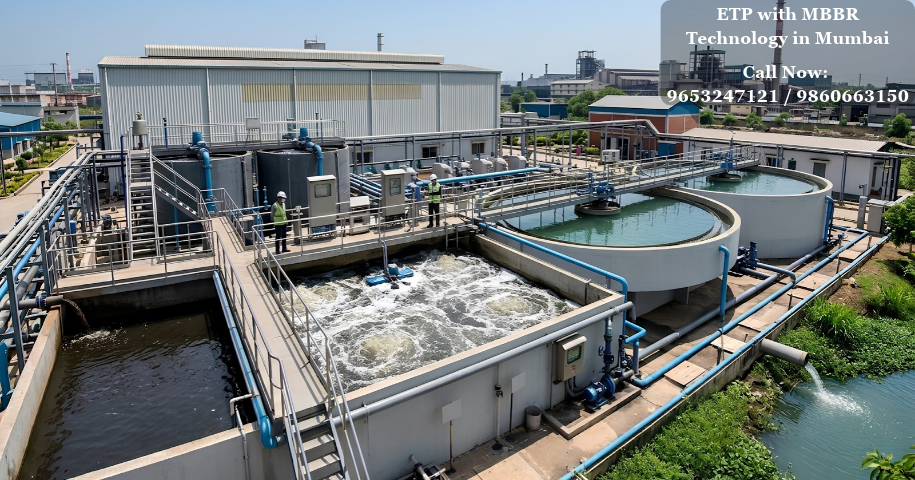
Ans: Depending on effluent characteristics, a train may combine equalisation, chemical dosing, activated sludge or MBBR, ultrafiltration, reverse osmosis, and evaporation or crystallisation for high-TDS streams.
Q5. What determines the capital cost of a treatment plant in Pune?
Ans: Plant capacity, effluent strength, target discharge quality, degree of automation, civil works, and whether ZLD is required all influence the final budget. A treatability study typically precedes any firm quotation.
Contact Us
Want to discuss the right Wastewater Treatment Plant Process in Pune for your site? Reach Aquacaresee Pvt. Ltd. for a tailored treatment design and ZLD consultation.
- Phone:+ 91 – 96532 47121 / + 91 – 98606 63150
- Email: marketing@aquacaresee.com
- Website: www.aquacaresee.com
- Add: 8th floor office No.810, KAMDHENU 23 WEST, TTC Industrial Area, MIDC Industrial Area, Pawne, Navi Mumbai, Maharashtra 400705, Navi Mumbai, Maharashtra 400705.
- Add: Office No. 204, Aquacaresee Pvt. Ltd.; 205; and 206, Old Mumbai-Pune Hwy, opp. Hotel Silver Seven, Akurdi Gaothan, Vivek Nagar, Akurdi, Pimpri-Chinchwad, Pune, Maharashtra 411035.
- Add: Hanuman Vatika, F/1 – 56-A/3, I, opposite Golden Dags Resorts, near 200 Feet Bypass Road, Hanuman Vatika-1, Heerapura, Heerawala, Jaipur, Rajasthan 302024.
Conclusion
Choosing the right Wastewater Treatment Plant Process in Pune is a decision that affects compliance, operating cost, and water security for years. Industries that invest in a properly engineered train recover more water, discharge less, and avoid the disruption of repeated consent violations. The process must suit the actual effluent profile, not a generic template. Trust Aquacaresee for tailored solutions.
Aquacaresee Pvt. Ltd., operating since 2006, brings over twenty years of process engineering, fabrication, and service experience to every project. From ETP and STP systems to full ZLD trains, turnkey delivery, AMC, and O&M support, the firm serves a wide range of industrial clients. To plan a treatment solution matched to your site, start a conversation with Aquacaresee.
Call Now: 9653247121
“Don’t forget to share this post!”