

Blog
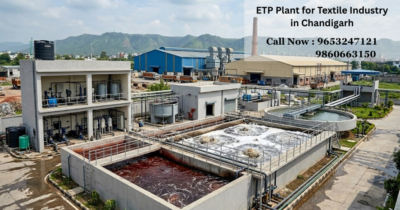
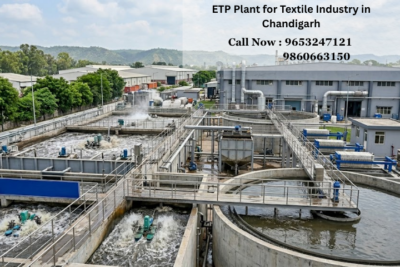
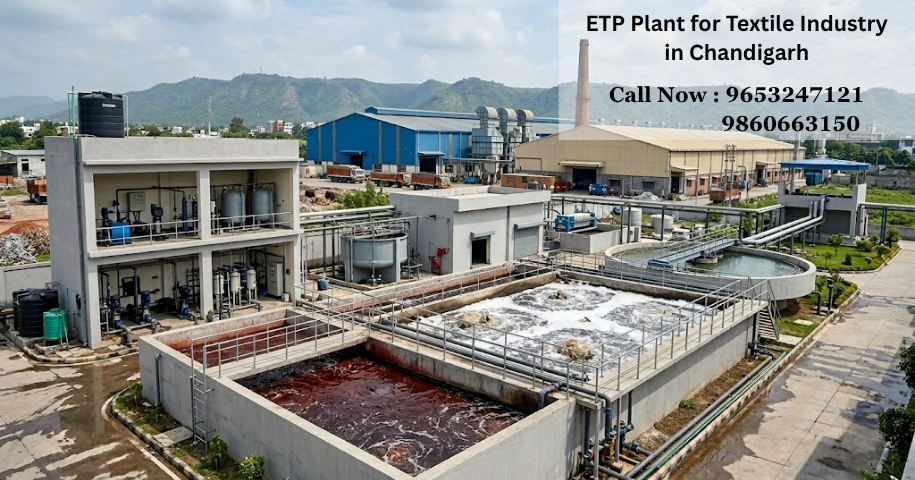
ETP Plant for Textile Industry in Chandigarh



 Enquire Now
ETP Plant for Textile Industry in Chandigarh | Sustainable Textile Wastewater Treatment
Aquacaresee Pvt Ltd, established in 2006 with over 20 years of industry expertise, specializes in designing, manufacturing, supplying, installing, and maintaining advanced water and wastewater treatment systems. The company provides customized solutions for textile industries, manufacturing units, healthcare facilities, hospitality businesses, agricultural operations, and municipal sectors across India.
Call Now: 9653247121
Website: https://aquacaresee.com
About Aquacaresee Pvt Ltd
What is an ETP Plant?
An Effluent Treatment Plant (ETP) is a wastewater treatment system designed to remove pollutants from industrial wastewater before discharge or reuse.
For textile industries, ETPs help remove:
- Synthetic dyes
- Color pigments
- Chemical residues
- Detergents
- Suspended solids
- Heavy metals
- Oils and grease
- Organic contaminants
- Salts and dissolved solids
The treated water can then be safely discharged according to environmental standards or reused in industrial processes.
Why Textile Industries Need an ETP Plant in Chandigarh
The textile sector uses large quantities of water during:
- Dyeing
- Bleaching
- Washing
- Printing
- Finishing
- Mercerizing
- Desizing
These operations generate wastewater with high pollution loads.
Without proper treatment, textile effluent can cause:
- Water pollution
- Soil contamination
- Harm to aquatic ecosystems
- Regulatory penalties
- Production interruptions
- Damage to brand reputation
An efficient ETP ensures:
- Environmental compliance
- Sustainable manufacturing
- Water conservation
- Reduced operational risks
- Improved corporate image
- Resource recovery opportunities
Challenges of Textile Wastewater Treatment
Textile wastewater is among the most complex industrial effluents to treat.
High Color Content
Dyes create intense coloration that affects water bodies and blocks sunlight penetration.
High Chemical Oxygen Demand (COD)
Organic pollutants increase COD levels significantly.
High Biological Oxygen Demand (BOD)
Organic matter consumes oxygen required by aquatic life.
Presence of Toxic Chemicals
Textile effluent often contains:
- Sulfides
- Chlorides
- Phenols
- Formaldehyde
- Surfactants
Variable Wastewater Quality
Effluent characteristics change depending on production cycles.
High TDS Levels
Textile wastewater commonly contains elevated Total Dissolved Solids.
These challenges require a customized ETP design rather than a generic treatment system.
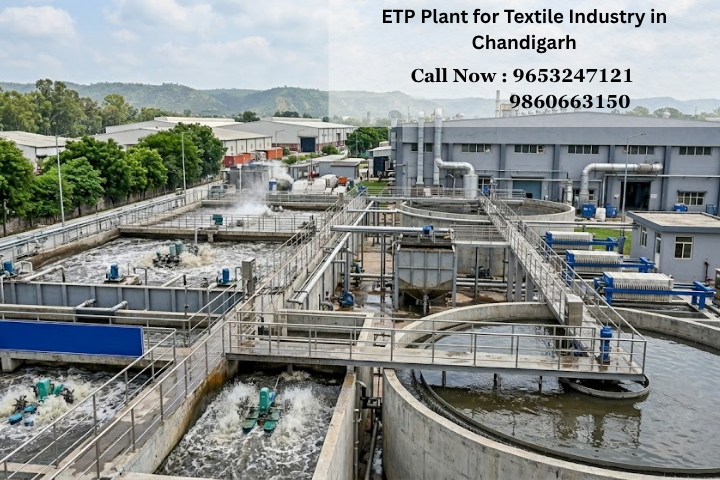
Components of a Textile Industry ETP Plant
A well-designed ETP for textile industries typically includes several treatment stages.
1. Collection and Equalization Tank
Wastewater from different processes is collected and homogenized.
Benefits include:
- Uniform flow
- Stable treatment conditions
- Improved efficiency
2. pH Correction System
Textile wastewater often fluctuates between acidic and alkaline conditions.
The pH adjustment unit ensures:
- Process stability
- Equipment protection
- Better biological treatment performance
3. Primary Treatment
Primary treatment removes:
- Suspended solids
- Floating materials
- Oil and grease
Processes include:
- Screening
- Sedimentation
- Oil separation
4. Chemical Treatment
Coagulants and flocculants are added to remove:
- Color
- Fine particles
- Dissolved contaminants
This stage significantly improves water clarity.
5. Secondary Clarification
Settles biological sludge generated during treatment.
Benefits include:
- Improved water quality
- Better sludge management
6. Tertiary Treatment
Advanced treatment processes include:
- Sand filtration
- Activated carbon filtration
- Ultrafiltration
- Reverse osmosis
This stage ensures superior water quality.
Benefits of Installing an ETP Plant for Textile Industry
Regulatory Compliance
An ETP helps industries meet environmental norms established by pollution control authorities.
Water Reuse
Treated water can be reused for:
- Cooling systems
- Washing processes
- Gardening
- Utility operations
Reduced Freshwater Consumption
Water recycling lowers dependency on freshwater resources.
Cost Savings
Long-term savings result from:
- Reduced water procurement costs
- Lower environmental penalties
- Improved operational efficiency
Enhanced Sustainability
Sustainable manufacturing improves market competitiveness and customer trust.
How to Choose the Right ETP Plant for Textile Industry in Chandigarh
Selecting the right wastewater treatment partner is critical.
Industry Experience
Choose a company with extensive expertise in wastewater treatment.
Customized Design
Every textile unit has unique wastewater characteristics.
Technology Integration
Modern technologies improve efficiency and reduce operating costs.
After-Sales Support
Long-term maintenance support is essential.
Regulatory Understanding
The provider should understand local environmental requirements.
Why Textile Industries Trust Aquacaresee Pvt Ltd
Established Since 2006
Aquacaresee Pvt Ltd has built a strong reputation in water and wastewater treatment engineering.
20+ Years of Industry Experience
Extensive expertise across multiple industrial sectors.
End-to-End Solutions
Services include:
- Design
- Manufacturing
- Supply
- Installation
- Commissioning
- Maintenance
Customized ETP Solutions
Every project is engineered according to wastewater characteristics and treatment objectives.
Advanced Technologies
Serving industries across India with reliable technical assistance.
Pan-India Service Support
The company integrates modern treatment technologies to achieve superior performance.
E-E-A-T (Experience, Expertise, Authoritativeness & Trustworthiness)
Experience
Established in 2006, Aquacaresee Pvt Ltd brings over 20 years of hands-on experience in designing, manufacturing, installing, and maintaining water and wastewater treatment systems across various industries.
Expertise
Our team specializes in ETP, WWTP, turnkey projects, consultancy, AMC, and O&M services, delivering customized solutions for textile, manufacturing, healthcare, hospitality, agriculture, and municipal sectors.
Authoritativeness
Aquacaresee Pvt Ltd has built a strong reputation as a reliable wastewater treatment solution provider, serving clients across India with advanced and compliant treatment technologies.
Trustworthiness
Frequently Asked Questions (FAQs)
Q1. What is an ETP plant in the textile industry?
Ans: An ETP plant treats wastewater generated during textile manufacturing processes such as dyeing, washing, bleaching, and finishing before discharge or reuse.
Q2. Why is wastewater treatment important for textile industries?
Ans: Wastewater treatment helps reduce pollution, meet environmental regulations, conserve water, and support sustainable manufacturing practices.
Q3. Can treated textile wastewater be reused?
Ans: Yes. Advanced treatment technologies such as ultrafiltration and reverse osmosis allow treated water to be reused in industrial operations.
Q4. What is Zero Liquid Discharge (ZLD)?
Ans: ZLD is a wastewater treatment approach that recovers maximum water and eliminates liquid discharge from industrial facilities.
Q5. How much maintenance does an ETP plant require?
Ans: Regular monitoring, preventive maintenance, and periodic servicing ensure efficient plant performance and long equipment life.
Contact Aquacaresee Pvt Ltd
- Phone:+ 91 – 96532 47121 / + 91 – 98606 63150
- Email: marketing@aquacaresee.com
- Website: www.aquacaresee.com
- Add: 8th floor office No.810, KAMDHENU 23 WEST, TTC Industrial Area, MIDC Industrial Area, Pawne, Navi Mumbai, Maharashtra 400705, Navi Mumbai, Maharashtra 400705.
- Add: Office No. 204, Aquacaresee Pvt. Ltd.; 205; and 206, Old Mumbai-Pune Hwy, opp. Hotel Silver Seven, Akurdi Gaothan, Vivek Nagar, Akurdi, Pimpri-Chinchwad, Pune, Maharashtra 411035.
- Add: Hanuman Vatika, F/1 – 56-A/3, I, opposite Golden Dags Resorts, near 200 Feet Bypass Road, Hanuman Vatika-1, Heerapura, Heerawala, Jaipur, Rajasthan 302024.
Conclusion
The demand for an ETP Plant for Textile Industry in Chandigarh continues to grow as manufacturers focus on environmental compliance, water conservation, and sustainable production practices. Textile wastewater contains complex pollutants that require specialized treatment systems capable of delivering consistent and reliable results.
With over 20 years of expertise and operations since 2006, Aquacaresee Pvt Ltd provides comprehensive wastewater treatment solutions including ETPs, WWTPs, turnkey projects, consultancy, installation, commissioning, AMC, and O&M services. By delivering customized, technology-driven solutions for textile industries, manufacturing facilities, healthcare institutions, hospitality businesses, agricultural operations, and municipalities, Aquacaresee helps organizations achieve regulatory compliance, operational efficiency, and long-term sustainability.
Call Now: 9653247121
“Don’t forget to share this post!”