

Blog
ETP for Food Processing Industries in Mumbai



 Enquire Now
ETP for Food Processing Industries in Mumbai | Aquacaresee
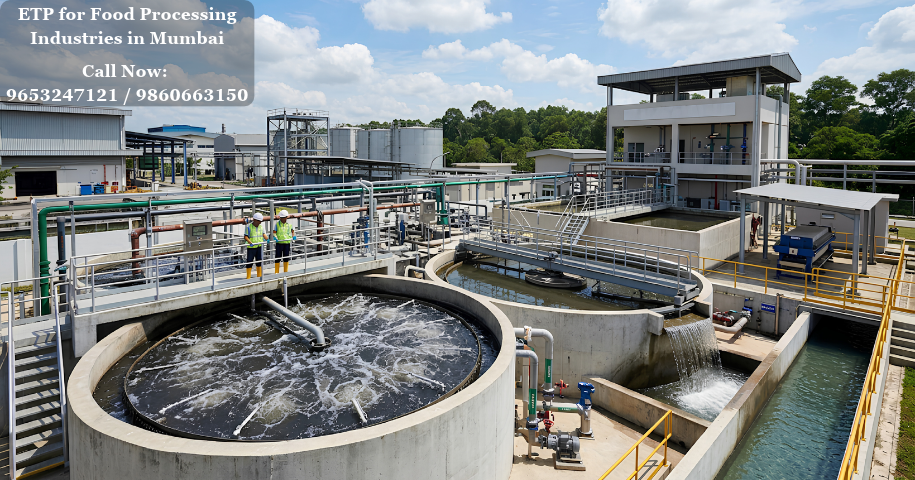
Food processing plants across Mumbai generate high-strength effluent loaded with organic matter, oils, and suspended solids. A purpose-built ETP for Food Processing Industries in Mumbai is essential to keep operations compliant and environmentally responsible. Partnering with a proven effluent treatment specialist ensures the system is correctly sized for your production profile. An efficient effluent treatment plant removes contaminants so that treated water can be safely discharged or reused.
Aquacaresee Pvt. Ltd., founded in 2006, has spent nearly two decades delivering industrial water treatment expertise to clients across Maharashtra. From its base serving Mumbai and Pune, the firm handles effluent and wastewater treatment systems end to end. Their portfolio spans ETP, STP, ZLD, and RO plants along with installation, commissioning, and long-term maintenance support.
Call Now: 9653247121
Website: https://aquacaresee.com
About Us
Aquacaresee Pvt. Ltd. is a Mumbai-focused effluent treatment company that has served food and beverage manufacturers since 2006. The company designs each plant around the actual waste profile of the client’s facility.
- Specialised ETP design for dairy, bakery, snack, and packaged-food plants.
- Complete turnkey delivery from process selection to plant commissioning.
- In-house manufacturing with quality-checked components.
- AMC and O&M packages that keep effluent parameters within consent limits.
- Responsive service teams familiar with Mumbai’s industrial zones.
Every food segment produces a distinct effluent signature, and we tailor treatment trains accordingly. Our goal is simple: reliable compliance, lower water bills, and a plant your team can operate confidently day after day. Connect with our engineering desk to review your discharge data.
Understanding Effluent Treatment for Food Processing
An effluent treatment plant for a food factory combines physical separation, biological digestion, and polishing stages. The configuration depends on whether the waste stream is wash-water based, oil-rich, or high in dissolved organics. Biological treatment typically forms the core of the process.
The right system balances treatment quality against energy use, chemical consumption, and floor space. Aquacaresee evaluates these trade-offs before recommending equipment, so Mumbai food processors avoid oversized or underperforming plants.
Typical performance targets include reduction of BOD, COD, oil and grease, and suspended solids to levels accepted by the local municipal authority. Regular monitoring keeps the plant aligned with those consent conditions.
A well-matched ETP train for food plants commonly includes:
- Screen and Grit Removal: Captures coarse solids such as vegetable trimmings and packaging residue.
- Oil and Grease Trap: Separates floating fats before they disrupt biological activity.
- Equalisation Tank: Balances flow and load swings created by batch production schedules.
- Primary Clarifier: Settles heavier solids and reduces the load on downstream biology.
- Aeration / Biological Reactor: Breaks down dissolved organic matter using active biomass.
- Secondary Clarifier: Separates treated water from biological sludge for return or disposal.
- Filtration and Disinfection: Polishes the outflow for compliant discharge or safe reuse.
No two food factories in Mumbai produce identical effluent. Final equipment selection follows a review of flow rates, organic load, seasonal product changes, and the reuse ambitions of the owner.
Business Advantages of a Tailored Effluent Treatment System
Mumbai’s food sector operates under close scrutiny from pollution control authorities. A well-designed ETP for Food Processing Industries in Mumbai protects your licence to operate and reduces pressure on municipal drainage. It also opens the door to reusing treated water in non-product areas.
Practical gains food processors report:
1. Steady Consent Compliance
Treated effluent consistently meets prescribed limits, avoiding notices, penalties, and production stoppages.
2. Reduced Freshwater Draw
Recovered water can serve cooling towers, floor washing, and landscaping, trimming municipal water bills.
3. Lower Long-Term Operating Cost
Correctly sized aeration and sludge handling keep power and chemical usage predictable month to month.
4. Cleaner Environmental Footprint
Responsible effluent handling strengthens brand credibility with retail partners, auditors, and local communities.
5. Treatment Built Around Your Recipe Line
Equipment selection reflects your specific product mix, shift pattern, and available plant room, not a generic template.
What Sets Aquacaresee Apart as Your Mumbai ETP Partner
Choosing an ETP vendor is a long-term operational decision. Plant reliability, response time, and engineering depth matter as much as the initial quote.
Aquacaresee brings two decades of engineering practice to every food-processing effluent project it undertakes in Mumbai.
The points below explain why food manufacturers shortlist the company.
1. Nearly 20 Years in Effluent Engineering
Since 2006, the team has commissioned treatment plants across food, pharma, and manufacturing segments, building practical insight into what performs reliably on the floor.
2. Designs Built on Real Effluent Data
Before recommending equipment, the team studies your wastewater analysis, peak flows, and production cycles. That discipline prevents costly over- or under-design.
3. Single Point of Responsibility
Design, fabrication, installation, commissioning, and service all sit under one roof, simplifying vendor coordination for busy plant managers.
4. Broad Technology Toolkit
Beyond ETP, the portfolio covers STP, ZLD, RO, UF, MBR, softening, and filtration, so upgrades and expansions stay with a familiar partner.
5. Disciplined Installation and Handover
Food Segments That Rely on Our Effluent Treatment Plants
Different food categories produce different effluent profiles. Our systems are configured for each segment’s specific load and discharge patterns:
1. Dairy and Ice-Cream Units
High organic loads from milk residue and wash-down water demand robust biological treatment with effective fat separation.
2. Snack and Namkeen Manufacturers
Oil-rich effluent from frying lines requires dedicated grease removal ahead of biological processing to avoid biomass upset.
3. Bakeries and Confectioneries
Sugar and flour-laden wash water creates variable organic loads that need balanced equalisation and aeration capacity.
4. Fruit and Vegetable Processing Lines
Seasonal peaks in washing and peeling operations produce heavy suspended solids that call for strong primary clarification.
5. Meat, Poultry, and Seafood Units
Protein and blood content raises the organic load sharply, making disinfection and odour control essential parts of the design.
Our End-to-End Effluent Treatment Service Portfolio
From the first site survey to ongoing plant care, Aquacaresee covers every stage of an effluent treatment project.
Process Design and Consultancy
Equipment Fabrication and Supply
Tanks, clarifiers, aeration systems, and dosing units are manufactured to specification and delivered ready for site assembly.
Site Installation
Piping, pumps, blowers, and controls are installed by trained crews following safety and quality protocols.
Commissioning and Performance Trials
Each system is run through performance trials to confirm effluent quality before handover. Operators are trained on routine controls and troubleshooting.
Annual Maintenance Contracts (AMC)
Scheduled inspections, consumable replacement, and performance checks keep the plant operating within design parameters.
Operation and Maintenance (O&M)
For facilities without dedicated in-house operators, our team can manage process parameters, sludge handling, and compliance reporting directly.
Key Selection Criteria for Your Mumbai Effluent Treatment Plant
A treatment plant is a capital asset with a 15-20 year life. Getting the specification right at the outset protects both budget and uptime:
Effluent Characterisation: Establish COD, BOD, TSS, oil and grease, and pH ranges across all production seasons.
Hydraulic Load: Size the plant for peak flow as well as average daily volume to avoid overloading during rush production.
Footprint Limits: Confirm available plant room area, height clearance, and access routes for equipment delivery.
Reuse Ambitions: Decide early whether treated water will be discharged or reused, as that affects final polishing stages.
Power and Chemical Budget: Model running costs across aeration, pumping, and dosing before finalising equipment.
Service Accessibility: Choose a vendor who can reach your site quickly for breakdowns and AMC visits.
Operator Skill Level: Match control system complexity to the technical capacity of your plant team.
Our team assists food processors in working through each of these factors before any purchase commitment is made.
Why Mumbai Food Processors Should Upgrade Effluent Infrastructure Now
Mumbai’s food processing cluster spans Andheri, Bhiwandi, Taloja, and the MIDC belts of Navi Mumbai. These facilities face rising water tariffs and stricter discharge norms simultaneously.
Modernising effluent treatment is no longer optional for plants that plan to stay competitive and compliant over the next decade.
Upgrading your ETP delivers:
-
Greater resilience against regulatory inspections.
-
Lower exposure to water tariff increases.
-
More stable production continuity during water restrictions.
-
Stronger environmental credentials for retail and export buyers.
-
Reduced risk of neighbour complaints over odour or discharge.
-
Predictable maintenance costs instead of emergency repairs.
Retrofitting an existing plant or commissioning a new one both benefit from early planning. Speak to our engineers while your project is still on paper.
E-E-A-T (Experience, Expertise, Authoritativeness, Trustworthiness)
Experience
Operating since 2006, Aquacaresee Pvt. Ltd. has installed and maintained effluent treatment systems across food, pharma, and manufacturing sectors. Their engineers have seen first-hand how seasonal production swings affect plant performance, and they design accordingly.
Expertise
Their technical team works with biological, membrane, and advanced oxidation processes, matching the right approach to each effluent stream. Services range from process design and fabrication to commissioning and long-term maintenance contracts.
Authoritativeness
Aquacaresee supports clients across Mumbai’s food manufacturing belt with plants that meet municipal consent conditions. Their work spans ETP, STP, ZLD, and RO systems, giving them a broad view of how treatment stages interconnect across a site.
Trustworthiness
Clients value transparent quotations, realistic timelines, and service teams that respond when called. Aquacaresee builds long-term relationships by keeping communication direct and technical support accessible long after commissioning.
Frequently Asked Questions
Q1. What makes Aquacaresee a reliable choice for an ETP in Mumbai’s food sector?
Ans: Their team has handled effluent treatment projects since 2006, covering design, fabrication, installation, and maintenance. Food processors benefit from application-specific engineering rather than generic plant templates.
Q2. How much space does a food-processing ETP typically need?
Ans: Space requirements depend on flow rate and treatment train complexity. Compact packaged systems suit smaller units, while larger plants may need dedicated civil structures. Our engineers assess your available footprint during the site survey.
Q3. Can treated water from a food plant ETP be reused?
Ans: Yes, with appropriate polishing. Recovered water is commonly used for cooling towers, floor washing, and landscaping. The required quality standards determine which additional treatment stages are included.
Q4. How long does installation and commissioning take?
Ans: Timeline varies with plant capacity and site readiness. Smaller packaged systems may be operational within weeks, while larger custom plants take longer. A detailed schedule is shared after the design freeze.
Q5. What ongoing maintenance does a food-processing ETP require?
Ans: Routine tasks include sludge removal, membrane or filter replacement, aeration equipment checks, and periodic effluent testing. An AMC package keeps these tasks on schedule.
Contact Us
Phone:+ 91 – 96532 47121 / + 91 – 98606 63150
Email: marketing@aquacaresee.com
Website: www.aquacaresee.com
Add: 8th floor office No.810, KAMDHENU 23 WEST, TTC Industrial Area, MIDC Industrial Area, Pawne, Navi Mumbai, Maharashtra 400705, Navi Mumbai, Maharashtra 400705.
Add: Office No. 204, Aquacaresee Pvt. Ltd.; 205; and 206, Old Mumbai-Pune Hwy, opp. Hotel Silver Seven, Akurdi Gaothan, Vivek Nagar, Akurdi, Pimpri-Chinchwad, Pune, Maharashtra 411035.
Add: Hanuman Vatika, F/1 – 56-A/3, I, opposite Golden Dags Resorts, near 200 Feet Bypass Road, Hanuman Vatika-1, Heerapura, Heerawala, Jaipur, Rajasthan 302024.
Conclusion
Investing in a properly engineered ETP for Food Processing Industries in Mumbai protects your operations from compliance risk while lowering long-term water costs. The right system matches your actual effluent profile, not an off-the-shelf assumption. With effluent treatment infrastructure that performs reliably, food manufacturers can focus on production with confidence.
Aquacaresee Pvt. Ltd. has served Mumbai’s industrial water treatment needs since 2006, offering end-to-end services from design and fabrication to installation and AMC support. Their team works closely with food processors to specify systems that stay compliant and efficient over the long run. Reach out to discuss your project with a team that understands the realities of Mumbai’s food manufacturing environment.
Call Now: 9653247121
“Don’t forget to share this post!”