

Blog
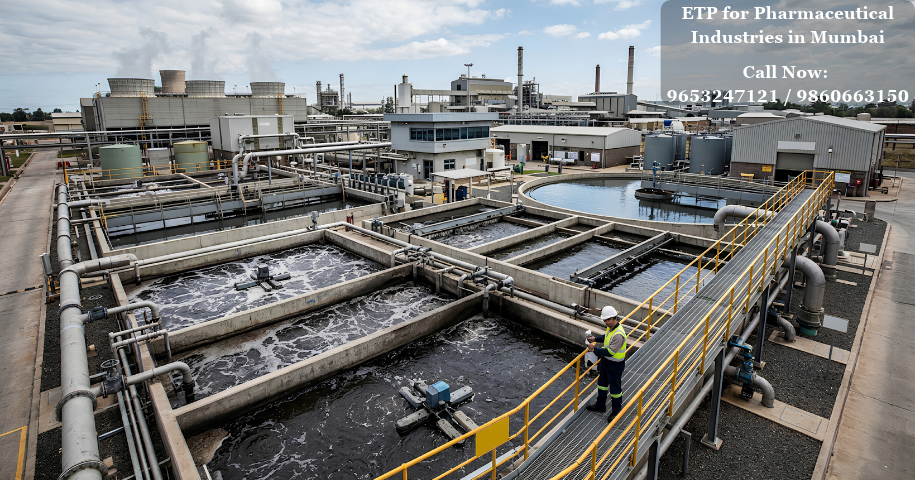
ETP for Pharmaceutical Industries in Mumbai



 Enquire Now
ETP for Pharmaceutical Industries in Mumbai | Aquacaresee Pvt. Ltd.
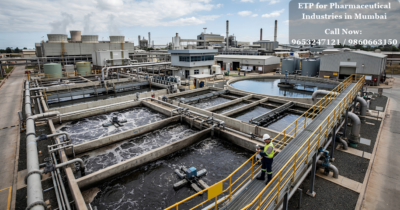
Pharmaceutical manufacturing in Mumbai generates complex effluent streams that demand a purpose-built ETP for Pharmaceutical Industries in Mumbai, and Aquacaresee Pvt. Ltd. delivers exactly that. Our team engineers industrial wastewater treatment systems around the actual chemistry of each plant, not generic templates. Since 2006, Aquacaresee has handled process design, fabrication, supply, erection, commissioning, and long-term upkeep of effluent and wastewater plants.
Backed by over two decades of field experience, Aquacaresee serves pharmaceutical clients through a complete portfolio that includes Effluent Treatment Plants (ETP), Sewage Treatment Plants (STP), turnkey execution, engineering consultancy, plant installation, start-up support, Annual Maintenance Contracts (AMC), and Operation & Maintenance (O&M).
Call Now: 9653247121
Website: https://aquacaresee.com
About Us
Aquacaresee Pvt. Ltd. is an established industrial wastewater treatment specialist headquartered in Pune, Maharashtra, operating since 2006. We partner with pharmaceutical manufacturers across Mumbai to plan, build, and sustain treatment infrastructure that matches their production realities.
What sets our work apart for the pharmaceutical sector:
- Effluent-specific process design covering chemical, biological, and tertiary treatment stages.
- In-house fabrication and equipment supply for consistent quality control.
- Turnkey delivery from concept and layout through erection and commissioning.
- AMC and O&M programs that keep plants compliant year after year.
- Coverage across Mumbai, Pune, Nashik, and the wider Maharashtra belt.
Our focus stays on responsible effluent management, improved water reuse, and environmental sustainability for every client we serve.
Why Mumbai Pharma Plants Cannot Afford Weak Effluent Treatment
Pharmaceutical plants in Mumbai run formulation lines, API synthesis, R&D laboratories, and utility blocks that together produce highly variable effluent. Without a properly engineered treatment train, this stream can trigger environmental exposure, process upsets, odour complaints, and regulatory scrutiny.
A well-planned ETP converts that risk into a controlled, measurable process.
1. Controlled Pollutant Removal
Pharma effluent often carries solvents, active compounds, suspended matter, and fluctuating organic loads. A correctly sized treatment sequence brings these parameters within permitted limits.
2. Water Recovery for Utilities
Treated water can be redirected to cooling tower make-up, utility washing, or landscaping when quality permits, easing pressure on municipal freshwater supply.
3. Alignment with Environmental Rules
Pharma operations fall under consent conditions issued by the Maharashtra Pollution Control Board (MPCB) and other bodies. A well-designed ETP supports consistent compliance with discharge and reuse norms.
4. Smoother Plant Operations
Untreated effluent leads to blockages, corrosion, odour complaints, and unplanned downtime. A plant designed around real effluent data gives operators predictable routines.
5. Smarter Resource Planning
Recycling and smart treatment design reduce freshwater intake over time. Real savings depend on effluent volume, energy use, chemical consumption, and the share of water successfully reused.
Effluent Treatment Technologies We Deploy for Pharma Clients
Every pharmaceutical facility has a distinct effluent fingerprint. Selecting the right process train starts with understanding that fingerprint.
1. Physico-Chemical Pretreatment
Coagulation, flocculation, and sedimentation remove suspended solids, colloidal matter, and oils before biological treatment, protecting downstream biomass.
2. Biological Degradation (Aerobic & Anaerobic)
Aerobic and anaerobic biological stages break down biodegradable organic load. Technology choice depends on COD strength, salinity, and nutrient balance.
3. Membrane Bioreactor (MBR) Systems
MBR combines biology with membrane separation for high-quality output in compact footprints, ideal where pharma facilities face space constraints and reuse targets.
4. Advanced Oxidation Processes (AOP)
AOP handles recalcitrant compounds and trace active ingredients that conventional biology cannot fully break down, improving final effluent quality.
5. Zero Liquid Discharge (ZLD) Configurations
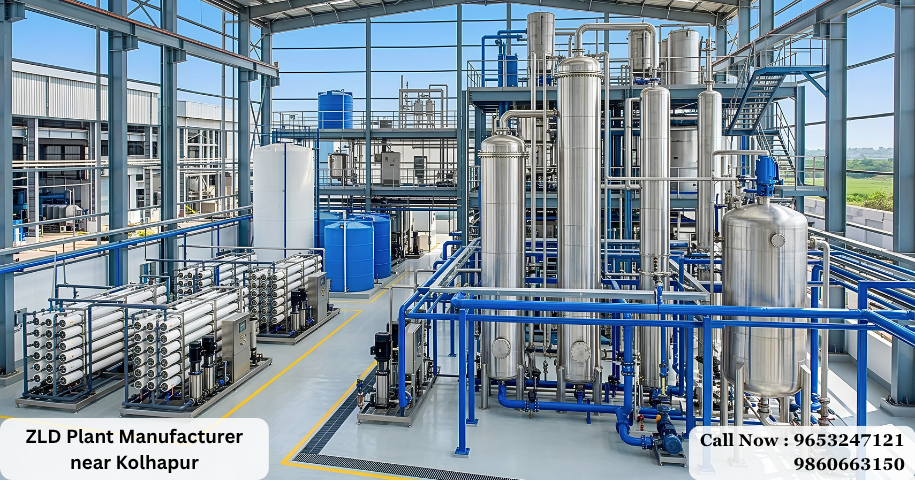
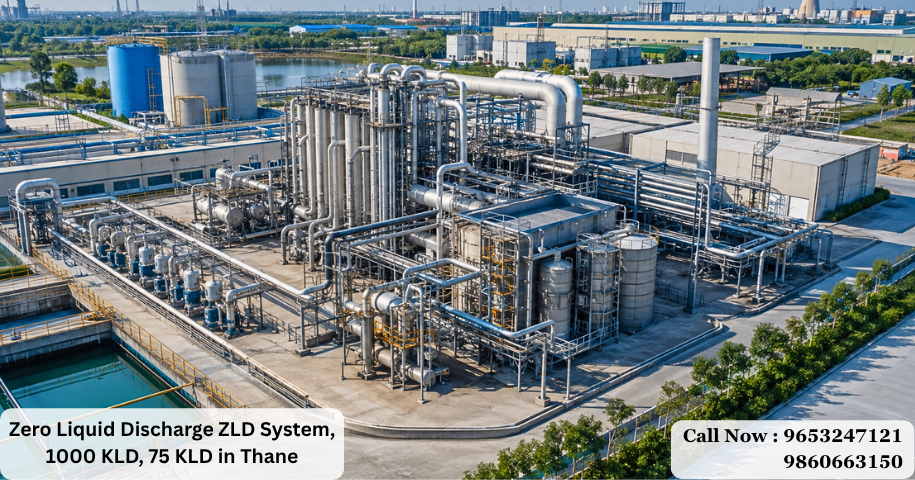
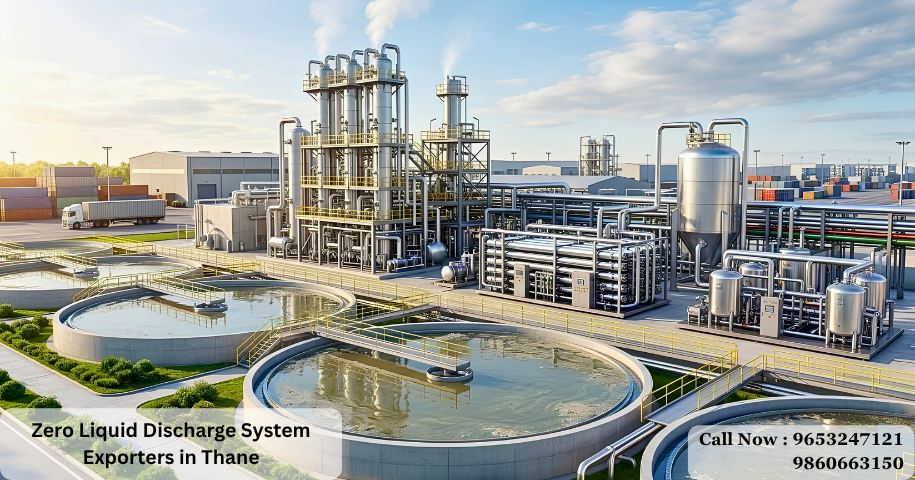
ZLD maximizes water recovery and minimizes liquid discharge using membranes, evaporation, and crystallization, suitable for strict discharge environments.
6. Tertiary Polishing and Recycling
Filtration, ultrafiltration, RO, and disinfection bring treated water to the quality needed for specific reuse applications within the facility.
What Makes Pharmaceutical Effluent Different from Other Industrial Waste
Pharmaceutical effluent combines high COD, solvent residues, variable pH, and sometimes low biodegradability, demanding a tailored approach rather than off-the-shelf units.
Design considerations we evaluate for every pharma project:
- Segregation of high-strength and low-strength effluent streams.
- Equalization for flow and load balancing.
- Nutrient dosing where biological treatment requires it.
- Sludge handling aligned with hazardous waste rules where applicable.
- Monitoring protocols for pH, COD, BOD, TSS, and specific parameters.
- Operator training and documented SOPs for consistent performance.
Each design decision links back to the facility’s specific production profile and the discharge or reuse standards it must satisfy.
Contact Aquacaresee to discuss effluent treatment planning for pharmaceutical units in Mumbai, including recycling options and compliance support.
ETP Support for Mumbai’s Pharma Clusters and Industrial Estates
Pharma manufacturing in Mumbai spans MIDC estates, private industrial parks, and standalone facilities. Each location brings its own constraints on space, power, drainage, and consent norms.
Planning aspects we address with clients:
- Present effluent volume and projected production growth.
- Peak hydraulic loading and batch discharge patterns.
- Available plot area and elevation constraints.
- Power supply reliability and backup provisions.
- Sludge storage, handling, and authorized disposal routes.
- Online and laboratory monitoring requirements.
- Operator availability and training needs.
- Long-term AMC and O&M structuring.
Clear ownership of sampling, preventive maintenance, and recordkeeping keeps pharmaceutical ETPs audit-ready throughout their lifecycle.
Effluent Treatment for Pharma Formulation and API Manufacturing Units
Formulation plants and API synthesis units generate effluent with very different characteristics. A one-size-fits-all plant rarely works for either.
Factors we weigh for pharma facilities:
Effluent characterisation: Detailed lab analysis of COD, BOD, TDS, solvents, and pH variation guides process selection.
Segregation strategy: High-strength streams are isolated from low-strength utility and wash water where beneficial.
Technology matching: Some units need biological treatment, others demand AOP or ZLD to meet consent norms.
Space and footprint: Compact MBR or containerized configurations may suit urban facilities with tight plot areas.
Reuse planning: Treated water may serve cooling towers or utility washing when quality allows.
Maintenance discipline: Structured AMC schedules prevent small issues from becoming compliance failures.
Aquacaresee helps pharmaceutical clients in Mumbai determine whether conventional, membrane-based, or advanced oxidation treatment best suits their effluent profile.
End-to-End ETP Services We Deliver to Mumbai Pharma Clients
From first concept sketch to daily plant operation, Aquacaresee stays involved through every stage of the ETP lifecycle.
1. Effluent-Specific Engineering Design
Every layout is developed from real effluent data, treatment targets, and site constraints rather than standard templates.
2. Fabrication and Equipment Supply
In-house fabrication keeps quality consistent and delivery timelines predictable for critical treatment equipment.
3. Turnkey Project Execution
Engineering, procurement, installation, and commissioning coordinated under a single point of responsibility.
4. On-Site Erection and Piping
Skilled site teams handle equipment placement, piping, and integration with existing plant utilities.
5. Commissioning and Performance Verification
Start-up checks, trial runs, and performance tests confirm the plant meets design expectations before handover.
6. Annual Maintenance Contracts (AMC)
Scheduled inspections and preventive maintenance keep the ETP running at design efficiency year after year.
E-E-A-T (Experience, Expertise, Authoritativeness, Trustworthiness)
Experience
Operating since 2006, Aquacaresee Pvt. Ltd. has delivered effluent and wastewater treatment projects for pharmaceutical, industrial, and commercial clients across Mumbai and Maharashtra.
Expertise
Our capabilities span Effluent Treatment Plants (ETP), Sewage Treatment Plants (STP), plant design, installation, commissioning, and maintenance services.
Authoritativeness
We deliver tailored effluent treatment solutions to pharmaceutical manufacturing, healthcare, hospitality, and municipal clients across the region.
Trustworthiness
We prioritize dependable project delivery, customized treatment systems, and responsible effluent management so clients meet their operational and environmental obligations.
Frequently Asked Questions (FAQs)
Q1. What does an ETP do in a pharmaceutical plant?
Ans: A pharmaceutical ETP treats process effluent, wash water, and utility discharge to reduce COD, BOD, suspended solids, and other pollutants before discharge or reuse. It protects the environment and helps the facility remain compliant.
Q2. Which company supplies ETP for Pharmaceutical Industries in Mumbai?
Ans: Aquacaresee Pvt. Ltd. designs, manufactures, installs, and maintains ETP systems for pharmaceutical manufacturers in Mumbai and across Maharashtra, covering everything from initial design to AMC and O&M.
Q3. How is a pharma ETP different from a domestic STP?
Ans: An STP handles domestic sewage from toilets and kitchens. A pharma ETP deals with industrial effluent that may contain solvents, active compounds, and high COD, often requiring physico-chemical and advanced treatment stages beyond conventional biology.
Q4. What treatment technologies are used for pharmaceutical effluent?
Ans: Common options include physico-chemical pretreatment, aerobic and anaerobic biology, MBR, advanced oxidation, ZLD configurations, and tertiary polishing with RO and disinfection. The right combination depends on the facility’s effluent profile and consent requirements.
Q5. Can Aquacaresee handle installation and ongoing maintenance?
Ans: Yes. Aquacaresee provides end-to-end support including design, fabrication, supply, installation, commissioning, AMC, and O&M, keeping the ETP reliable and compliant over its full service life.
Contact Us
Phone:+ 91 – 96532 47121 / + 91 – 98606 63150
Email: marketing@aquacaresee.com
Website: www.aquacaresee.com
Add: 8th floor office No.810, KAMDHENU 23 WEST, TTC Industrial Area, MIDC Industrial Area, Pawne, Navi Mumbai, Maharashtra 400705, Navi Mumbai, Maharashtra 400705.
Add: Office No. 204, Aquacaresee Pvt. Ltd.; 205; and 206, Old Mumbai-Pune Hwy, opp. Hotel Silver Seven, Akurdi Gaothan, Vivek Nagar, Akurdi, Pimpri-Chinchwad, Pune, Maharashtra 411035.
Add: Hanuman Vatika, F/1 – 56-A/3, I, opposite Golden Dags Resorts, near 200 Feet Bypass Road, Hanuman Vatika-1, Heerapura, Heerawala, Jaipur, Rajasthan 302024.
Conclusion
Investing in a properly designed ETP for Pharmaceutical Industries in Mumbai protects your plant from compliance risk, operational disruption, and water scarcity. Whether you run a formulation unit, an API synthesis facility, or a contract manufacturing site, the right treatment train removes contaminants, improves water quality, and supports adherence to environmental regulations. Effluent volume, technology choice, installation constraints, operating cost, and maintenance planning all deserve careful evaluation before selection.
Aquacaresee Pvt. Ltd., operating since 2006, delivers customized effluent and wastewater treatment solutions including ETP, STP, and WWTP systems, with complete design, manufacturing, supply, installation, commissioning, AMC, and operation and maintenance. Reach out to discuss the right pharma effluent treatment plant in Mumbai for your facility.
Call Now: 9653247121
“Don’t forget to share this post!”