
Blog
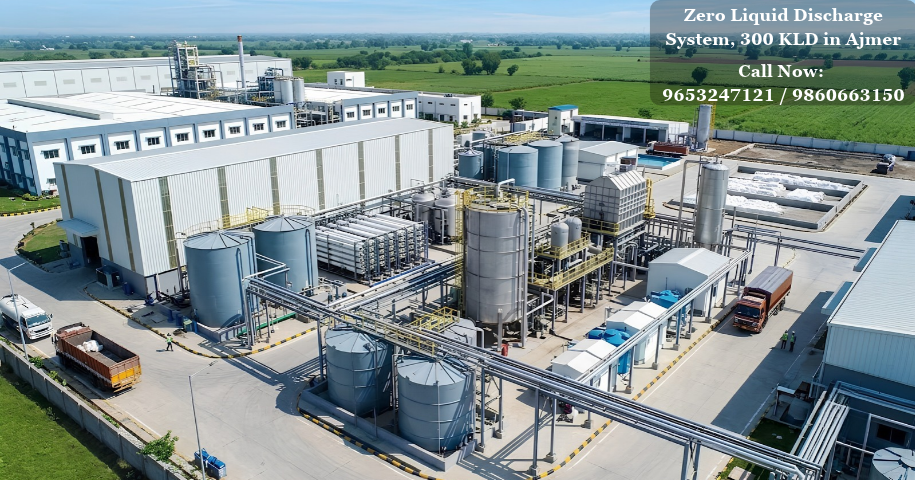
Zero Liquid Discharge System, 300 KLD in Ajmer

 95215 44147

 Enquire Now
Zero Liquid Discharge System, 300 KLD in Ajmer | Aquacaresee Pvt. Ltd.
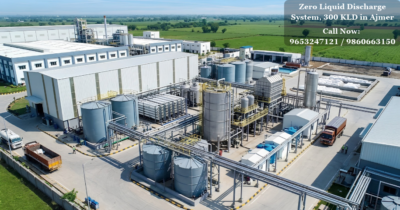
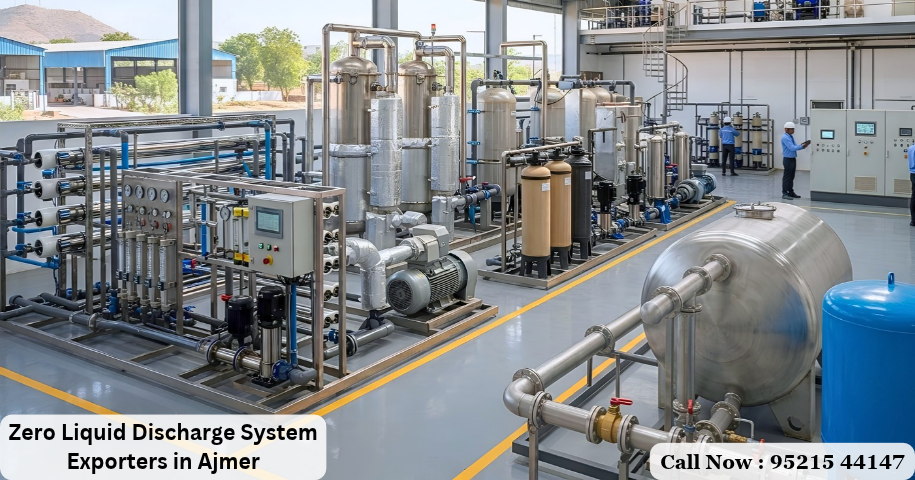
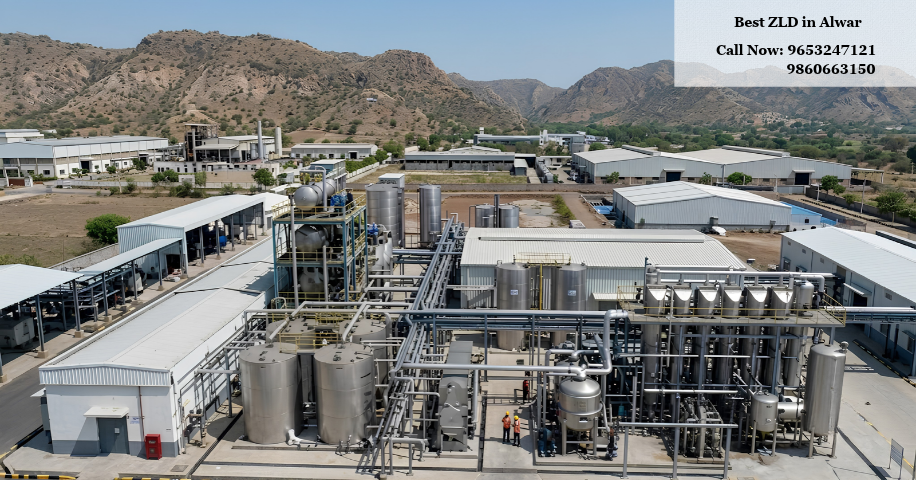
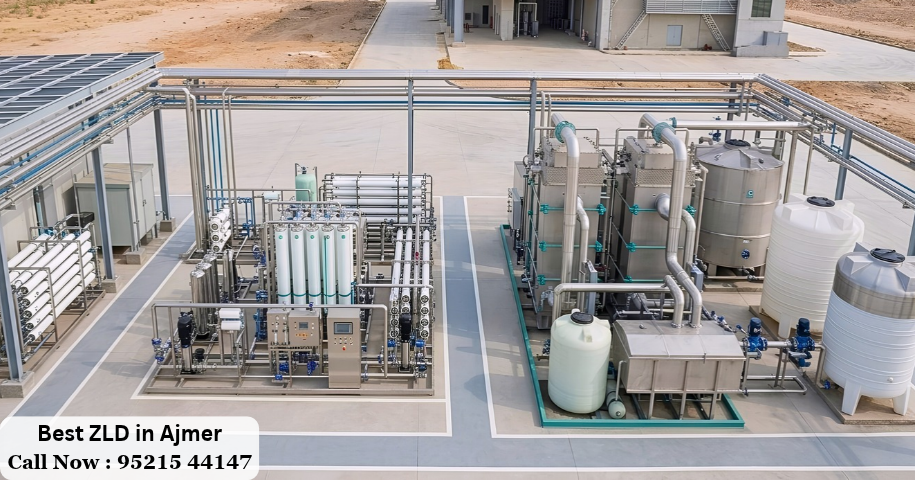
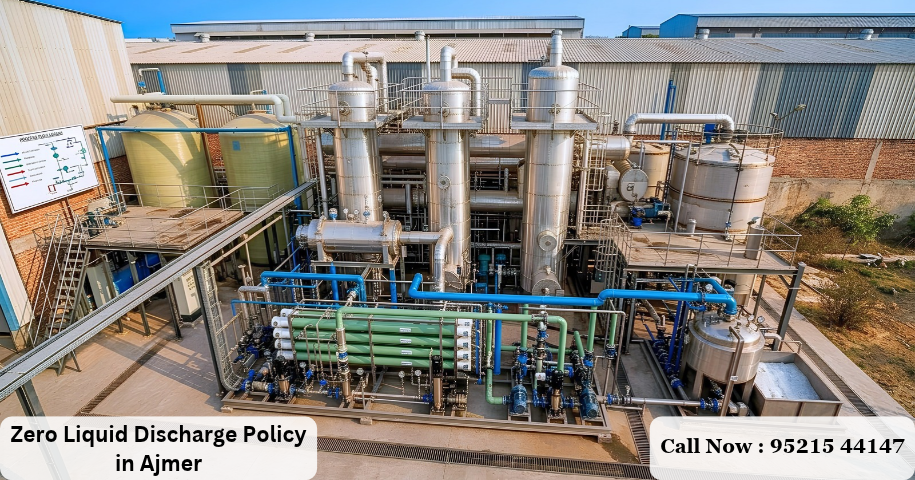
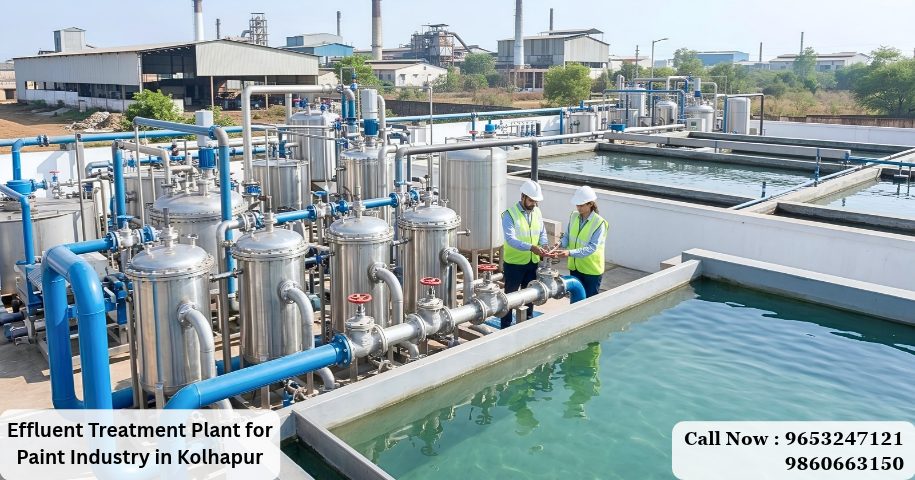
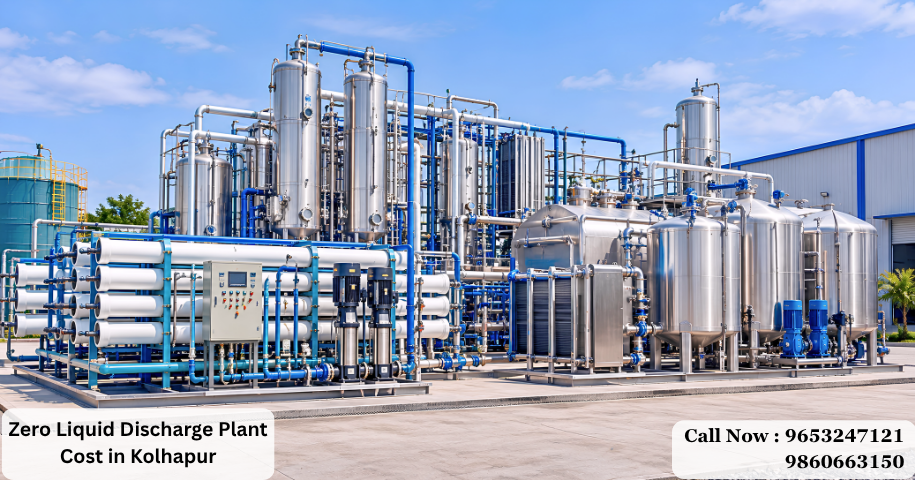
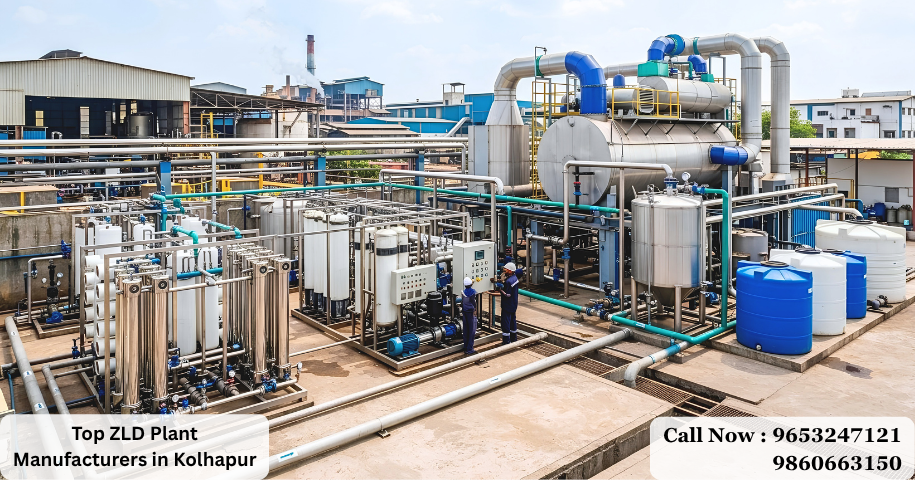
A carefully planned Zero Liquid Discharge System, 300 KLD in Ajmer is tailored to the specific nature of the effluent and the quality of water needed for reuse. Based on the industry and daily flow, the plant may combine an effluent treatment plant, settling systems, membrane filtration, evaporation, and crystallization to boost recovery rates and cut liquid waste.
Aquacaresee Pvt. Ltd. delivers complete water and wastewater solutions, covering design, equipment manufacturing, installation, commissioning, and upkeep. Since 2006, the firm has helped industries across India plan reliable treatment systems for varied operational needs.
Call Now: 95215 44147
Website: https://aquacaresee.com
About Us
Founded in 2006 and headquartered in Pune, Maharashtra, Aquacaresee Pvt. Ltd. is a trusted name in industrial water and wastewater treatment. The company works with clients in Ajmer and across India on projects spanning advanced ZLD systems to conventional treatment plants.
What We Deliver
- Custom Plant Design: Treatment systems engineered around your effluent profile and operational goals.
- Equipment Manufacturing: In-house fabrication and supply of water and wastewater treatment machinery.
- Site Execution: End-to-end installation, testing, and commissioning with full documentation.
- Ongoing Support: Technical consulting, preventive maintenance, and plant operation assistance.
Treatment Systems We Build
- Effluent Treatment Plants (ETP)
- Sewage Treatment Plants (STP)
- Water Treatment Plants (WTP)
- Industrial Wastewater Treatment (WWTP)
- Reverse Osmosis (RO) Systems
- Zero Liquid Discharge (ZLD) Systems
For any Zero Liquid Discharge System, 300 KLD in Ajmer project, Aquacaresee first studies the effluent source, flow patterns, contamination levels, recovery targets, and where the treated water will be reused. These inputs guide the treatment stages, equipment sizing, and overall plant capacity.
Signs Your Facility May Need a Zero Liquid Discharge System
Not every plant needs a full ZLD setup. Many facilities operate well with a standard ETP or STP plus reuse. But certain conditions clearly point toward advanced recovery and concentrate handling.
Watch for these indicators before deciding on a ZLD system:
1. Strict Discharge Norms and Effluent Complexity
High TDS, complex organics, oils, or chemical-laden effluent often exceed what conventional treatment can handle. Review your consent conditions to see if near-zero discharge is mandated.
2. Water Scarcity and High Recovery Goals
When freshwater costs climb and you want to reclaim every possible litre, ZLD becomes attractive. Assess your water balance, daily demand, and the volume and nature of residual brine or sludge.
3. Budget and Technical Viability
Weigh capital outlay, power, chemicals, upkeep, and residue disposal against water savings. A thorough cost-benefit analysis shows whether ZLD makes engineering and financial sense.
Industries planning a Zero Liquid Discharge System, 300 KLD in Ajmer should start with a detailed feasibility study to lock in the right capacity, process train, and performance targets.
Planning a 300 KLD ZLD Plant in Ajmer: Capacity and Use Cases
A 300 KLD ZLD plant is rated to handle 300,000 litres of wastewater daily. Actual design depends on real flow, contamination load, shift patterns, and room for future expansion.
Critical Design Inputs
For a 300 KLD ZLD plant in Ajmer, the evaluation should cover:
- Average and peak wastewater flow.
- TDS, pH, COD, BOD, and suspended solids levels.
- Target recovery rate and reuse water quality.
- Pretreatment needs and membrane selection.
- Power, chemicals, space, and residue handling.
Where a 300 KLD System Fits
A 300 KLD system commonly suits mid-sized manufacturing units, process industries, and commercial facilities that need high recovery and minimal discharge.
Accurate effluent testing and engineering review are essential to select the right equipment, process sequence, and plant size.
Scaling ZLD for Larger Operations: Beyond 300 KLD in Ajmer
Facilities generating more than 300 KLD can scale the same design principles to higher capacities. The configuration then hinges on effluent quality, flow swings, recovery goals, energy costs, and residual waste strategy.
Engineering Priorities for Higher Capacity
- Hydraulic Capacity: Account for average and peak flows, production changes, and redundant equipment.
- Pretreatment and Membranes: Choose stages that control scaling, fouling, and solids carryover.
- Concentrate Handling: Evaluate evaporation, crystallization, and residue disposal based on effluent chemistry.
- Operating Cost: Factor in power, thermal energy, chemicals, maintenance, and manpower.
Larger ZLD plants in Ajmer need detailed process engineering and effluent analysis to define the right equipment layout, recovery targets, and long-term operating plan.
ZLD Requirements Across Industries in Ajmer
Effluent profile varies widely by industry, which directly shapes the treatment approach. Aquacaresee serves diverse sectors, and every project starts with a technical evaluation.
Manufacturing and Process Industries
Industrial effluent often carries dissolved salts, process chemicals, oils, suspended solids, and organics.
- Analyse effluent quality and production-linked contaminants.
- Apply appropriate pretreatment and stream segregation.
- Plan brine management and recovered-water reuse.
Healthcare Facilities
Hospital effluent comes from labs, laundry, kitchens, cleaning, and other operations.
- Identify streams that need separate treatment.
- Evaluate treatment needs based on effluent composition.
- Decide whether advanced recovery or ZLD is warranted.
Hospitality Businesses
Hotels and resorts produce effluent from kitchens, laundry, sanitation, and other areas, with flow tied to occupancy and season.
- Assess daily and seasonal effluent volume.
- Consider STP setup and treated-water reuse.
- Evaluate ZLD when project needs justify advanced recovery.
Agricultural and Agro-Industrial Facilities
Agro-industrial effluent may contain organics, suspended solids, nutrients, dissolved salts, and cleaning chemicals.
- Analyse effluent characteristics and process contaminants.
- Select treatment technologies suited to the stream.
- Test recovered water before irrigation or other reuse.
Municipal and Institutional Projects
Municipal wastewater treatment typically covers sewage treatment, disinfection, sludge handling, and suitable reuse or discharge.
- Evaluate sewage treatment and disinfection needs.
- Plan sludge handling and treated-water reuse.
- Consider ZLD for select streams where appropriate.
Across all these sectors, a properly designed Zero Liquid Discharge System, 300 KLD in Ajmer should be built on effluent analysis, recovery goals, and applicable environmental norms.
Key Technologies Behind ZLD Performance
Each treatment stage in a ZLD train has a specific role. Understanding them helps you choose the right combination for your effluent.
| Technology | Main function | Important consideration |
|---|---|---|
| Effluent Treatment Plant (ETP) | Reduces wastewater pollutants | Must match the wastewater chemistry and load |
| Ultrafiltration (UF) | Removes suspended particles and colloids | Pretreatment and cleaning requirements |
| Reverse Osmosis (RO) | Recovers water while concentrating dissolved constituents | Scaling, fouling, pressure, and recovery limits |
| Nanofiltration (NF) | Separates selected dissolved constituents | Selectivity and feedwater compatibility |
| Multiple Effect Evaporator (MEE) | Concentrates liquid wastewater using successive evaporation stages | Thermal energy, scaling, and corrosion |
| Mechanical Vapour Recompression (MVR) | Reuses vapour energy during evaporation | Electricity demand and project economics |
| Agitated Thin Film Dryer (ATFD) | Processes suitable concentrated streams into drier residue | Feed properties and residue characteristics |
| Crystallizer | Promotes crystallization from concentrated solutions | Salt chemistry, crystal separation, and residue handling |
No single project uses every technology listed. The final train is assembled through effluent analysis, engineering calculations, and feasibility assessment.
Turnkey ZLD Projects: Assessment to Operation
A turnkey ZLD project ties together every stage from concept to commissioning. Aquacaresee delivers water and wastewater services within the agreed project scope.
Project Assessment and Engineering
- Analyse effluent quality, flow, and treatment goals.
- Determine plant capacity, recovery targets, and technology choices.
- Prepare process design and equipment specifications.
Equipment Supply, Installation and Commissioning
- Supply and install equipment per the approved design.
- Coordinate piping, electrical, and instrumentation work.
- Test operation and verify performance against agreed criteria.
Operation, Training and Maintenance
- Train operators on system running, monitoring, and troubleshooting.
- Set preventive maintenance and equipment inspection schedules.
- Provide servicing and technical support as per the contract.
Businesses planning ZLD plant installation and commissioning in Ajmer should confirm the project scope, performance targets, and long-term support terms before work begins.
Why Aquacaresee Is the Right ZLD Partner in Ajmer
Aquacaresee delivers water and wastewater treatment solutions for industrial and institutional clients. Services span system design, equipment supply, installation, commissioning, and maintenance.
1. Two Decades of Proven Experience
Founded in 2006, Aquacaresee brings years of hands-on experience in water and wastewater treatment, helping clients shape realistic project requirements.
2. Complete Treatment Portfolio
The company’s portfolio covers ETP, STP, WTP, WWTP, industrial RO, and ZLD systems—supporting projects that need multiple integrated treatment stages.
3. Engineering Tailored to Your Site
Each project is assessed against actual effluent quality, flow rate, recovery targets, and operating conditions to select the right technologies and equipment specs.
4. Commissioning and Long-Term Support
Aquacaresee provides installation, commissioning, and maintenance services. Ongoing support scope is defined by project needs and contract terms.
For a Zero Liquid Discharge System, 300 KLD in Ajmer, reach out to Aquacaresee to discuss your treatment needs and schedule a site-specific technical evaluation.
E-E-A-T (Experience, Expertise, Authoritativeness, Trustworthiness)
Experience
Aquacaresee Pvt. Ltd. has been delivering water and wastewater treatment solutions since 2006. Documented case studies and client references demonstrate its on-ground project experience.
Expertise
The company provides design, supply, installation, commissioning, consulting, and maintenance for ETP, STP, RO, and ZLD systems across multiple industries.
Authoritativeness
Aquacaresee builds industry authority through technical resources, documented project outcomes, relevant certifications, and genuine customer references.
Trustworthiness
Transparent project scopes, realistic performance expectations, and clear operating requirements help customers evaluate ZLD solutions and make informed decisions.
(Frequently Asked Questions) FAQ
Q1. What exactly does a Zero Liquid Discharge (ZLD) system do?
Ans: A ZLD system extracts usable water from effluent and eliminates or sharply reduces liquid discharge from the defined treatment process.
Q2. How much wastewater can a 300 KLD ZLD plant process?
Ans: A 300 KLD ZLD plant has a nominal treatment capacity of 300,000 litres per day.
Q3. Is a ZLD system required for every type of facility?
Ans: No. ZLD is justified only when water recovery goals, environmental regulations, and technical and economic factors make it viable.
Q4. What drives the operating cost of a ZLD plant?
Ans: Energy use, chemical consumption, maintenance, effluent quality, and residue handling are the biggest factors affecting operating costs.
Q5. How long does a ZLD plant typically take to install?
Ans: Timelines depend on capacity, process complexity, and site readiness. A detailed project schedule is prepared after the engineering study is completed.
Contact Us
- Phone:+ 91 – 95215 44147
- Email: marketing@aquacaresee.com
- Website: www.aquacaresee.com
- Add: 8th floor office No.810, KAMDHENU 23 WEST, TTC Industrial Area, MIDC Industrial Area, Pawne, Navi Mumbai, Maharashtra 400705, Navi Mumbai, Maharashtra 400705.
- Add: Office No. 204, Aquacaresee Pvt. Ltd.; 205; and 206, Old Mumbai-Pune Hwy, opp. Hotel Silver Seven, Akurdi Gaothan, Vivek Nagar, Akurdi, Pimpri-Chinchwad, Pune, Maharashtra 411035.
- Add: Hanuman Vatika, F/1 – 56-A/3, I, opposite Golden Dags Resorts, near 200 Feet Bypass Road, Hanuman Vatika-1, Heerapura, Heerawala, Jaipur, Rajasthan 302024.
Conclusion
Choosing a Zero Liquid Discharge System, 300 KLD in Ajmer demands clarity on effluent characteristics, treatment capacity, recovery goals, energy needs, and residual waste management. Whether you need a 300 KLD or larger plant, a site-specific technical and economic assessment is essential.
Aquacaresee Pvt. Ltd., established in 2006, provides water and wastewater treatment solutions and related project services. The company focuses on evaluating site-specific requirements to identify suitable treatment technologies across industries. Its approach balances operational efficiency, water reuse potential, and long-term plant performance.
Call Now: 9521544147
“Don’t forget to share this post!”