
Blog
Top ZLD Plant Manufacturers in Kolhapur



 Enquire Now
Top ZLD Plant Manufacturers in Kolhapur | Aquacaresee Pvt. Ltd.
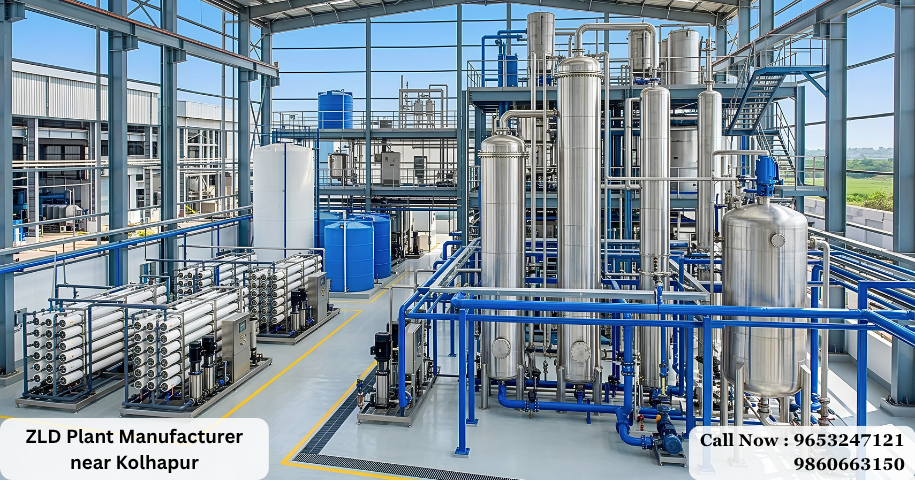
Industries searching for Top ZLD Plant Manufacturers in Kolhapur can rely on Aquacaresee Pvt. Ltd., a Pune-based water and wastewater treatment solutions provider established in 2006. With 20+ years of experience, the company offers customized Zero Liquid Discharge (ZLD) plants, ETP, WWTP, industrial RO systems, and turnkey solutions, including design, manufacturing, installation, commissioning, and maintenance.
Aquacaresee provides industry-specific solutions to improve water recovery, recycle treated wastewater, reduce liquid waste discharge, and support environmental compliance. Its services include consultancy, AMC, and O&M for manufacturing, textile, engineering, healthcare, hospitality, and other industrial sectors in Kolhapur.
Call Now: 9653247121
Website: https://aquacaresee.com
About AquacareSee Pvt. Ltd.
Aquacaresee Pvt. Ltd., established in 2006 and based in Pune, Maharashtra, specializes in customized water and wastewater treatment solutions for industrial, commercial, institutional, agricultural, and municipal applications.
With 20+ years of experience, the company offers:
- ZLD Plants, ETP, STP, WWTP, and WTP
- Industrial RO, UF, NF, and water recycling systems
- Turnkey projects, engineering consultancy, and system design
- Installation, commissioning, AMC, and O&M services
- Customized solutions for water recovery and efficient wastewater management
Aquacaresee serves industries across Kolhapur, Ichalkaranji, Kagal, Shiroli, Jaysingpur, and nearby industrial areas, delivering application-specific solutions to support water conservation and responsible effluent management.
Understanding Zero Liquid Discharge (ZLD) Technology
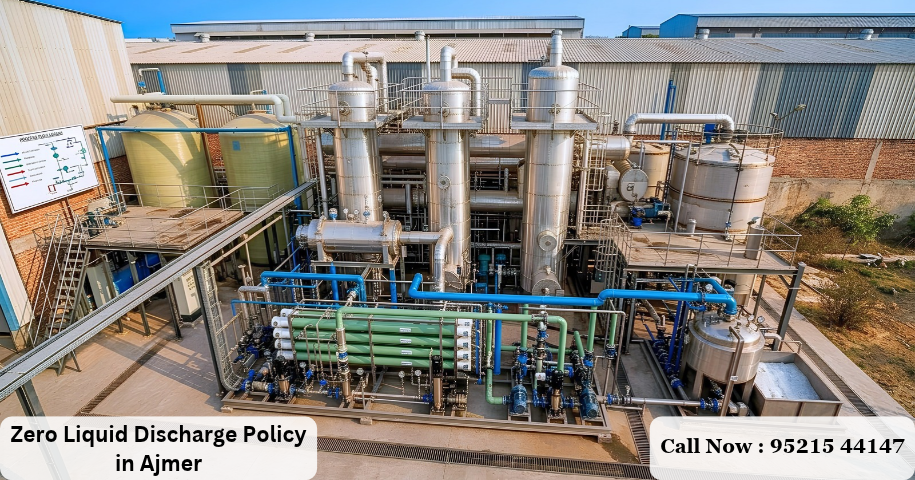
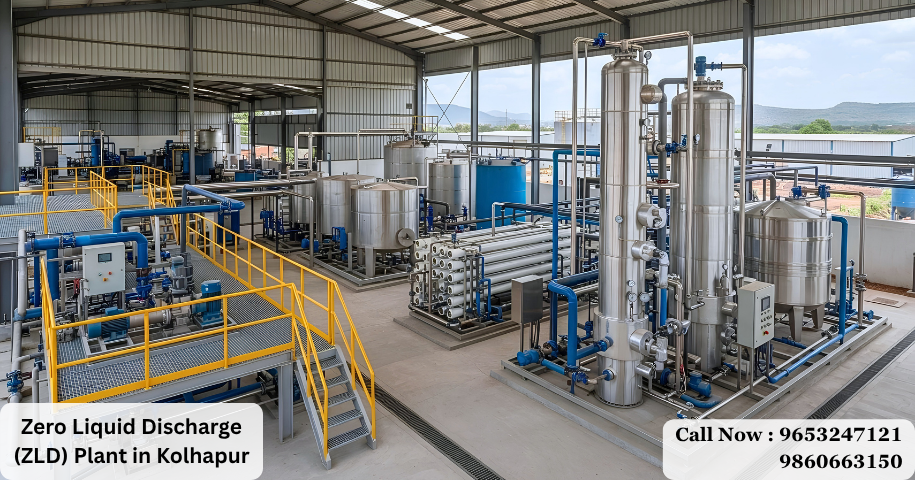
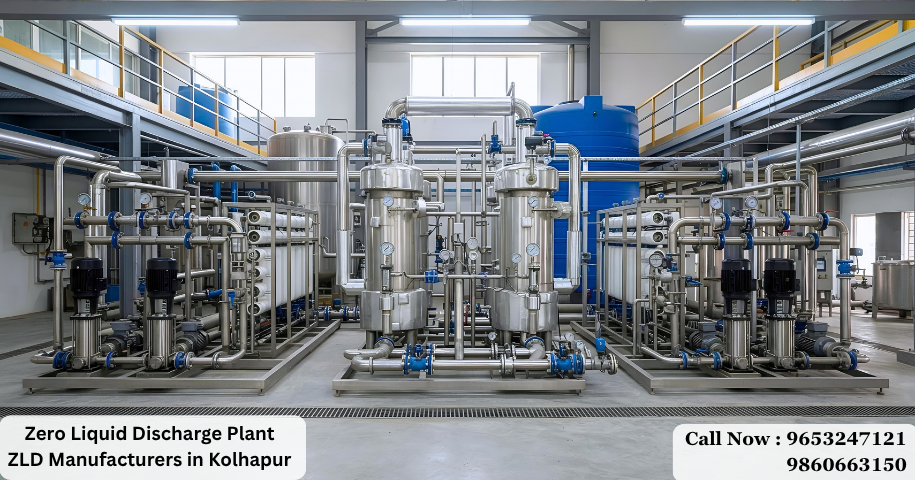
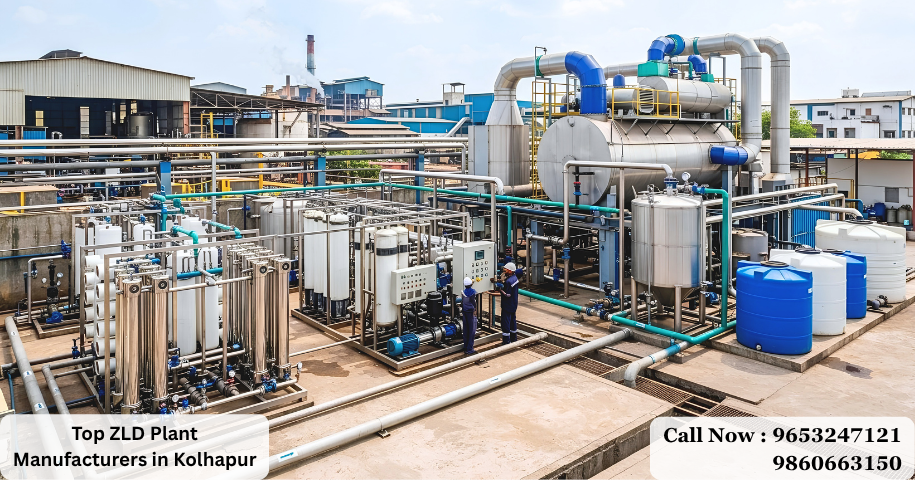
A Zero Liquid Discharge (ZLD) plant is an integrated wastewater treatment system designed to recover reusable water and minimize or eliminate liquid effluent discharge. It separates contaminants, concentrates dissolved salts, and manages the remaining residues according to their characteristics and applicable disposal requirements.
A typical ZLD system may include the following treatment technologies, depending on wastewater quality and recovery targets:
- Pretreatment: Removes suspended solids, oil, and other contaminants.
- Membrane Filtration: RO and other membrane processes recover water while concentrating dissolved salts and impurities.
- Thermal Evaporation: MEE or MVR systems process concentrated wastewater to recover additional water.
- Crystallization: Separates dissolved salts into solid residues for appropriate management.
The system configuration depends on wastewater flow rate, TDS, COD, temperature, chemical composition, energy availability, and intended water reuse. Proper process selection helps achieve reliable treatment performance and manage operating costs.
Industries searching for Top ZLD Plant Manufacturers in Kolhapur should evaluate process engineering expertise, technology selection, water recovery design, residual management, and ongoing technical support before selecting a manufacturer.
Why Are Industries in Kolhapur Looking for ZLD Plant Manufacturers?
Kolhapur and nearby industrial areas support engineering, textile processing, manufacturing, and food-related industries that generate wastewater with varying treatment requirements. Growing water demand and industrial effluent volumes are encouraging businesses to explore water recycling and efficient wastewater management solutions.
The Maharashtra Pollution Control Board (MPCB) provides information on common effluent treatment facilities and wastewater management measures in the region, including certain textile processing operations. This highlights the importance of evaluating suitable treatment technologies, water recovery systems, and ZLD solutions based on individual industrial requirements.
When evaluating ZLD plant manufacturers, businesses should consider the following requirements:
- Water recovery: Identify opportunities to recover and reuse suitable water from industrial effluent.
- Pollution control: Select treatment processes appropriate for the wastewater and applicable consent conditions.
- Operational efficiency: Evaluate energy consumption, chemical usage, membrane replacement, cleaning, and maintenance.
- Waste management: Plan for sludge, salts, and concentrated residues generated by treatment.
- Production continuity: Ensure the proposed system can accommodate realistic variations in wastewater flow and quality.
- Future expansion: Consider additional production lines, seasonal demand, and potential increases in effluent generation.
A properly evaluated ZLD project can support responsible water management while helping businesses assess their long-term operating and compliance requirements.
Top ZLD Plant Manufacturers in Kolhapur: Choosing the Right Partner
Selecting a ZLD plant manufacturer requires evaluating engineering expertise, wastewater characteristics, water recovery targets, operating costs, and long-term technical support. Aquacaresee Pvt. Ltd., based in Pune, Maharashtra, provides customized water and wastewater treatment solutions for industrial applications.
Industry Expertise and Customized Design
A reliable manufacturer should assess wastewater flow, TDS, COD, BOD, chemical composition, available space, and water reuse requirements before recommending a suitable ZLD configuration.
Integrated Technologies and Turnkey Execution
Depending on project requirements, ZLD systems may combine ETP, RO, UF, NF, MEE, MVR, and crystallization. Integrated project services can include engineering, equipment supply, installation, commissioning, and performance evaluation.
Maintenance and Cost Evaluation
Before selecting a supplier, compare equipment specifications, expected water recovery, energy consumption, chemical requirements, and lifecycle costs. Also confirm the availability of AMC, O&M, spare parts, troubleshooting, and operator training to support long-term plant performance.
ZLD Plant Solutions Offered by Aquacaresee for Kolhapur Industries
Aquacaresee offers customized water and wastewater treatment solutions for new ZLD installations and existing plant upgrades, based on industrial requirements and wastewater characteristics.
Zero Liquid Discharge (ZLD) Plants
Designed to recover reusable water and manage concentrated residuals through suitable combinations of pretreatment, membrane separation, evaporation, and crystallization.
ETP and WWTP Solutions
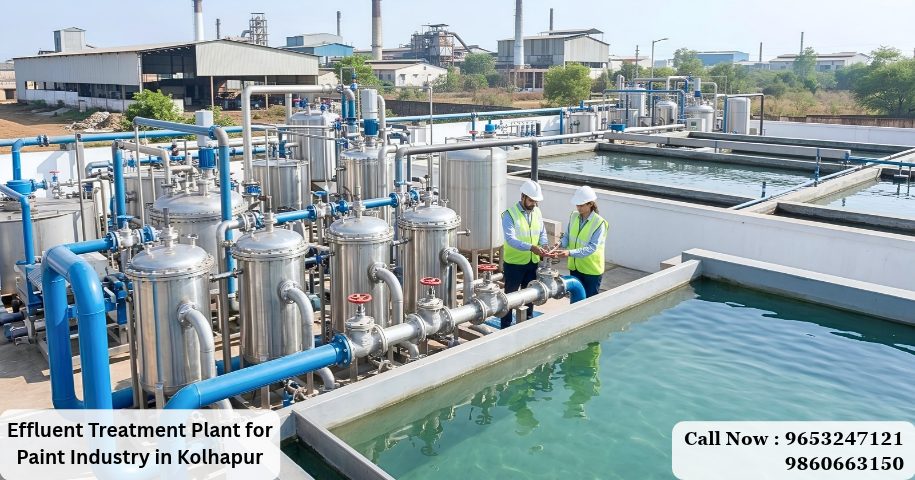
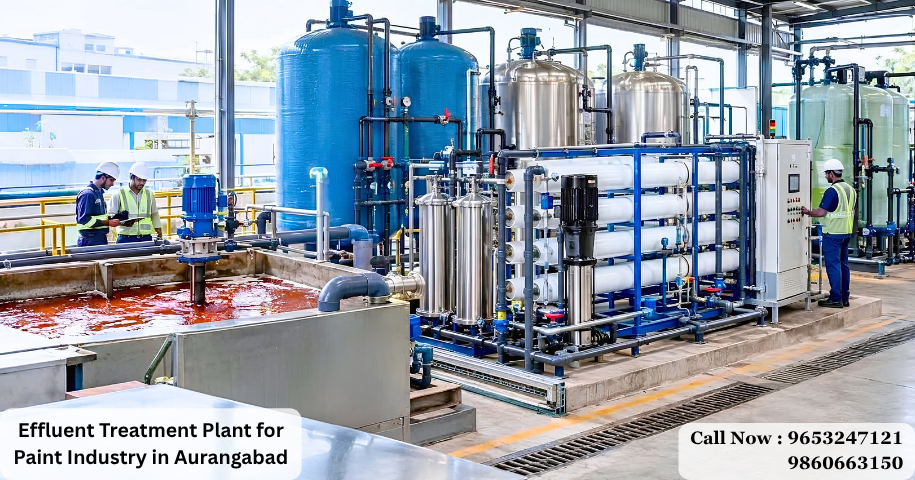
Effluent and wastewater treatment systems may include screening, equalization, pH adjustment, coagulation, biological treatment, clarification, filtration, and membrane processes, depending on the wastewater quality and treatment objectives.
Industrial RO, UF, and NF Systems
RO systems recover water by separating dissolved substances, while UF removes suspended particles and NF separates selected dissolved components. These technologies can be integrated into treatment systems according to feedwater quality and reuse requirements.
Turnkey Projects and Engineering Services
Aquacaresee provides project-related services that can include site assessment, process design, equipment selection, manufacturing, supply, installation, and commissioning under an agreed project scope.
Consultancy, AMC, and O&M
Technical consultancy, Annual Maintenance Contracts (AMC), and Operation & Maintenance (O&M) services support treatment system selection, preventive maintenance, performance monitoring, and troubleshooting for industrial facilities in Kolhapur and nearby areas.
How Does a ZLD Plant Work?
A Zero Liquid Discharge (ZLD) plant treats industrial wastewater to recover reusable water and manage concentrated residuals through these stages:
- Wastewater Testing: Analyze pH, TDS, COD, BOD, and other contaminants.
- Pretreatment: Remove suspended solids, oils, and impurities.
- Primary Treatment: Apply biological or chemical processes where required.
- Filtration and RO: Recover water and concentrate dissolved salts.
- Evaporation and Crystallization: Use MEE, MVR, or crystallization where necessary.
- Reuse and Residual Management: Reuse recovered water and responsibly manage sludge and salts.
The treatment configuration depends on wastewater quality, recovery targets, and operating costs.
Industries That Can Benefit from ZLD Plants in Kolhapur
Kolhapur’s manufacturing, textile, healthcare, hospitality, agricultural, and municipal sectors have different water and wastewater treatment requirements. The appropriate solution depends on effluent characteristics, water recovery goals, and applicable regulations.
Manufacturing, Engineering, and Textile Industries
Manufacturing and engineering units may generate wastewater containing oils, metals, suspended solids, and chemical residues, while textile processing can produce effluent containing dyes, salts, detergents, and organic pollutants. Depending on wastewater quality, treatment may include ETP, biological treatment, filtration, RO, and ZLD systems.
Healthcare and Hospitality
Hospitals, hotels, and commercial establishments generate sewage from sanitation, laundry, kitchens, and cleaning activities. STPs, grease management, filtration, and disinfection can support suitable water reuse. Additional treatment should be selected according to wastewater characteristics and intended applications; ZLD is not necessary for every facility.
Agriculture, Agro-Processing, and Municipal Projects
Agricultural and agro-processing facilities may produce wastewater containing organic matter, soil, and suspended solids. Municipalities and institutions require sewage treatment systems designed around flow variations, treatment capacity, sludge management, and reuse requirements. Appropriate treatment technologies can help recover water for suitable non-potable applications.
Aquacaresee can assess project requirements and provide consultancy, treatment equipment, turnkey solutions, and maintenance services for suitable industrial, commercial, and institutional applications.
How to Select the Right ZLD Plant Capacity
Selecting the correct capacity is essential for reliable operation and economical performance. Plant sizing should begin with an assessment of daily wastewater generation and the highest expected flow. An industrial facility that produces 100 kilolitres of wastewater per day, for example, needs a different design basis from a plant that produces 500 kilolitres per day.
However, wastewater quantity alone is insufficient. Two facilities with the same flow may require different treatment systems because of differences in TDS, COD, hardness, silica, suspended solids, and chemical composition.
The following information helps establish an appropriate design basis:
- Average and peak wastewater flow in KLD.
- Wastewater generation by production process.
- Inlet pH, TDS, TSS, COD, BOD, hardness, and other relevant parameters.
- Presence of oil, grease, solvents, metals, or specific chemicals.
- Required treated-water quality and reuse applications.
- Expected recovery and the characteristics of the residual stream.
- Available electricity, steam, cooling water, and other utilities.
- Installation area, accessibility, and future capacity requirements.
A competent engineering assessment should also identify sampling requirements and potential variations in feedwater quality.
Industries should request a documented process design and a clear explanation of expected operating conditions before placing an order.

ZLD Plant Cost in Kolhapur: Key Factors
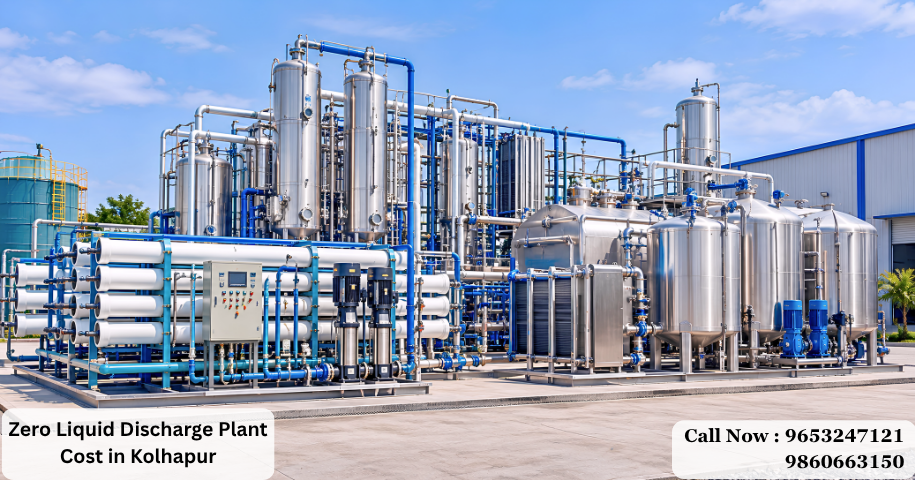
The cost of a ZLD plant in Kolhapur depends on wastewater characteristics, treatment capacity, water recovery targets, technology selection, and project requirements. A technical assessment is necessary to estimate the investment accurately.
Key factors affecting the cost include:
- Plant Capacity: Required wastewater treatment volume and equipment size.
- Wastewater Quality: TDS, scaling potential, contaminants, and effluent variability.
- Treatment Technology: ETP, RO, MEE, MVR, crystallization, and pretreatment requirements.
- Energy and Chemicals: Power consumption, treatment chemicals, and cleaning agents.
- Installation and Infrastructure: Civil work, piping, electrical systems, and automation.
- Maintenance and Residual Management: Spare parts, membrane replacement, sludge handling, and disposal costs.
Before comparing quotations, evaluate capital costs, operating expenses, expected water recovery, maintenance requirements, and project exclusions.
Aquacaresee Pvt. Ltd. can assess your industrial wastewater requirements and recommend a suitable ZLD configuration for your Kolhapur facility.
E-E-A-T: Experience, Expertise, Authoritativeness and Trust
Experience
Aquacaresee Pvt. Ltd. was established in 2006 and brings 20+ years of experience in water and wastewater treatment solutions. Its service scope includes plant design, equipment supply, installation, commissioning, maintenance, and operational support.
Experience
ZLD design requires an understanding of wastewater chemistry, pretreatment, membrane performance, concentration processes, energy requirements, and residual management.
Authoritativeness
A company’s authority is strengthened by consistent technical information, accurate service descriptions, relevant industry knowledge, and verifiable project documentation.
Trustworthiness
Trust begins with transparent communication. A technical proposal should state what the system is designed to treat, the expected treated-water quality, the basis for recovery estimates, and the operating conditions required to achieve the intended performance.
Frequently Asked Questions (FAQs)
Q1. How does seasonal wastewater variation affect ZLD plant performance?
Ans: Seasonal changes in wastewater flow, temperature, and TDS can affect treatment efficiency and energy consumption. Plant design should account for these variations.
Q2. Can a ZLD plant handle fluctuating industrial production?
Ans: Yes, with suitable equalization tanks, process controls, and treatment capacity designed around production fluctuations.
Q3. How does silica affect ZLD plant operation?
Ans: High silica can cause scaling in RO membranes and evaporators. Proper pretreatment and silica management help reduce operational problems.
Q4. What causes scaling in ZLD evaporators?
Ans: Scaling may result from high concentrations of dissolved salts, hardness, and silica. Appropriate chemical treatment and cleaning strategies help control it.
Q5. How can industries reduce ZLD operating costs?
Ans: Industries can optimize pretreatment, improve water recovery, reduce scaling, monitor energy consumption, and maintain equipment regularly.
Contact Us
Phone:+ 91 – 96532 47121 / + 91 – 98606 63150
Email: marketing@aquacaresee.com
Website: www.aquacaresee.com
Add: 8th floor office No.810, KAMDHENU 23 WEST, TTC Industrial Area, MIDC Industrial Area, Pawne, Navi Mumbai, Maharashtra 400705, Navi Mumbai, Maharashtra 400705.
Add: Office No. 204, Aquacaresee Pvt. Ltd.; 205; and 206, Old Mumbai-Pune Hwy, opp. Hotel Silver Seven, Akurdi Gaothan, Vivek Nagar, Akurdi, Pimpri-Chinchwad, Pune, Maharashtra 411035.
Add: Hanuman Vatika, F/1 – 56-A/3, I, opposite Golden Dags Resorts, near 200 Feet Bypass Road, Hanuman Vatika-1, Heerapura, Heerawala, Jaipur, Rajasthan 302024.
Conclusion
Aquacaresee Pvt. Ltd., established in 2006 and based in Pune, provides water and wastewater treatment solutions backed by 20+ years of experience. Its service portfolio includes Zero Liquid Discharge systems, Effluent Treatment Plants, Sewage Treatment Plants, Wastewater Treatment Plants, industrial RO, consultancy, turnkey projects, installation, commissioning, AMC, and O&M.
For manufacturing, textile processing, engineering, healthcare, hospitality, agriculture, and municipal facilities in Kolhapur, the first step is to assess the wastewater characteristics and determine the most appropriate treatment and reuse strategy.
If your business is searching for Top ZLD Plant Manufacturers in Kolhapur, contact Aquacaresee to discuss your project requirements and explore a customized water and wastewater treatment solution.
Call Now: 9653247121
“Don’t forget to share this post!”