
Blog
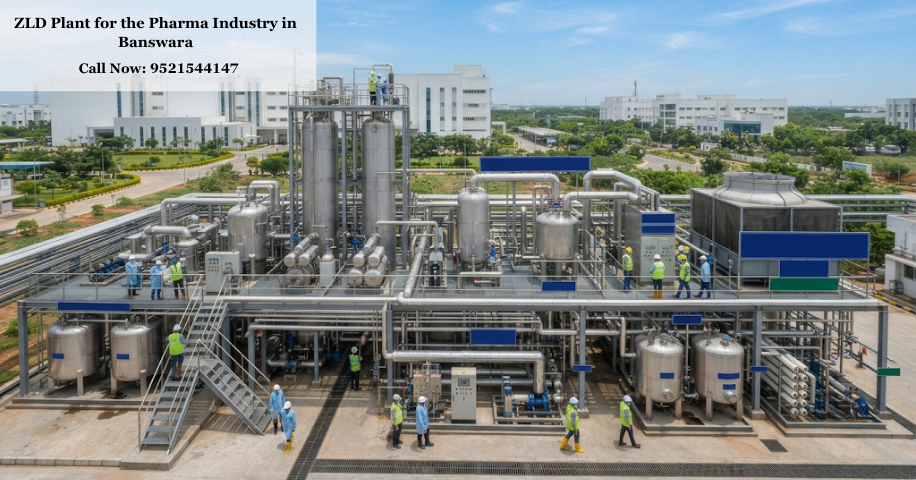
ZLD Plant for the Pharma Industry in Banswara

 95215 44147

 Enquire Now
ZLD Plant for the Pharma Industry in Banswara – Aquacaresee Pvt. Ltd.
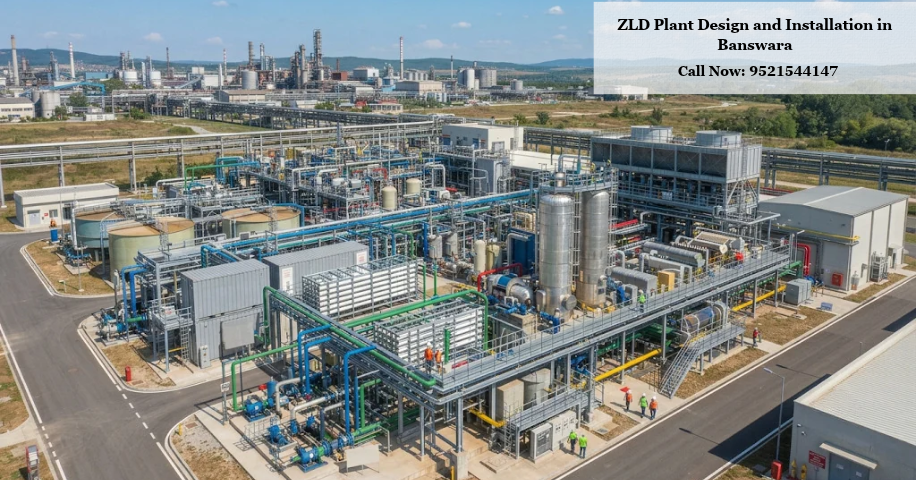
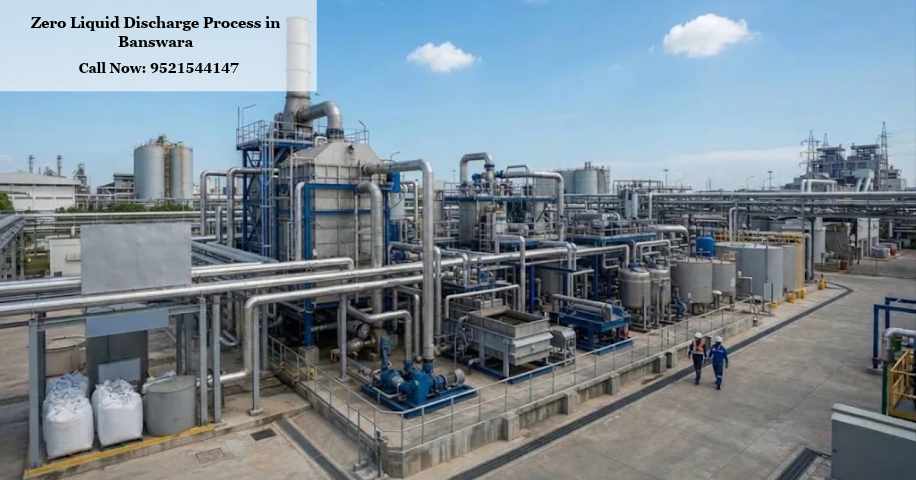
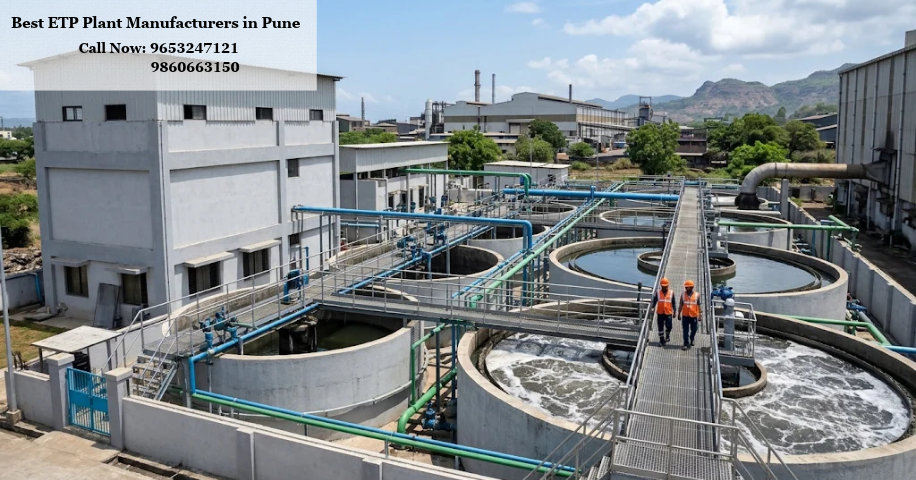
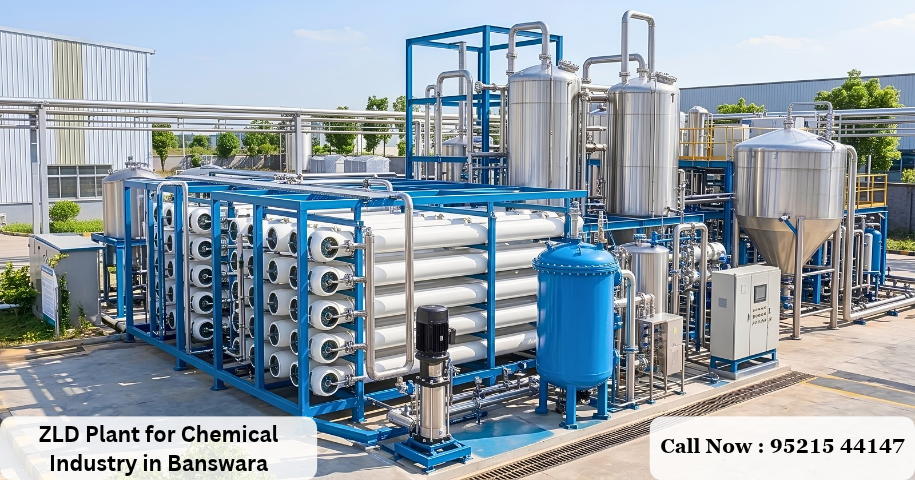
ZLD Plant for the Pharma Industry in Banswara becomes an important industrial wastewater management solution. Zero Liquid Discharge (ZLD) technology is designed to treat industrial wastewater, recover reusable water, and minimize liquid waste leaving the treatment system. It combines different treatment processes, such as primary treatment, biological or chemical treatment where appropriate, filtration, membrane separation, reverse osmosis, and thermal concentration or evaporation, depending on the wastewater characteristics.
Aquacaresee Pvt. Ltd., established in 2006, specializes in the design, manufacturing, supply, installation, and maintenance of water and wastewater treatment systems. With more than 20 years of industry experience, the company provides customized treatment solutions for pharmaceutical, chemical, manufacturing, hospitality, healthcare, and other industrial applications.
Based in Pune, Maharashtra, Aquacaresee provides engineering, consultancy, installation, commissioning, and operation and maintenance services. Its water treatment portfolio includes Zero Liquid Discharge Plants (ZLD), Effluent Treatment Plants (ETP), Wastewater Treatment Plants (WWTP), Reverse Osmosis Plants (RO), Ultrafiltration Systems (UF), and other industrial water management technologies.
Call Now: 95215 44147 Website: https://aquacaresee.com
About Us
Aquacaresee is a Pune-based water and wastewater treatment solutions provider with 20+ years of industry experience. The company specializes in designing, manufacturing, supplying, installing, and maintaining customized treatment systems for industrial and commercial applications. Its solutions include Zero Liquid Discharge (ZLD) plants, Effluent Treatment Plants (ETP), Sewage Treatment Plants (STP), and Water Treatment Plants (WTP).
With a focus on quality, technical expertise, and reliable project execution, Aquacaresee supports industries in improving water efficiency and managing wastewater responsibly. The company provides customized solutions, turnkey projects, consultancy, commissioning, and ongoing maintenance services to meet diverse industrial requirements.
What Is a Zero Liquid Discharge (ZLD) Plant?
A Zero Liquid Discharge Plant is an advanced wastewater treatment system designed to recover water from industrial effluent and minimize liquid waste discharge.
Unlike conventional wastewater treatment systems that may discharge treated effluent after meeting applicable standards, a properly designed ZLD system aims to recover reusable water and manage the remaining concentrated waste without routine liquid discharge from the defined treatment boundary.
A typical ZLD system may include:
- Preliminary wastewater screening.
- Equalization and collection tanks.
- pH correction and chemical treatment.
- Primary clarification or solids separation.
- Biological treatment, where required.
- Pressure sand and activated carbon filtration.
- Ultrafiltration systems.
- Reverse osmosis systems.
- Multiple-effect evaporators or other suitable evaporation technology.
- Agitated thin-film dryers or other solids-management equipment, where required.
Not every pharmaceutical facility requires every treatment stage. The actual process depends on wastewater characteristics, dissolved solids, organic loading, chemical composition, water recovery targets, available utilities, and the applicable regulatory requirements.
Why Does the Pharmaceutical Industry Need ZLD Plants?
Pharmaceutical manufacturing involves several processes that consume water and generate different wastewater streams.
Depending on the manufacturing activity, wastewater may originate from:
- Production and formulation processes.
- Reactor and vessel cleaning.
- Equipment washing.
- Floor and production-area cleaning.
- Laboratory operations.
- Cooling tower blowdown.
- Boiler blowdown.
- Utility and process operations.
- Domestic sewage generated within the facility.
Some wastewater streams may contain high chemical oxygen demand (COD), biological oxygen demand (BOD), suspended solids, dissolved salts, solvents, cleaning agents, or active pharmaceutical ingredient residues.
How Does a ZLD Plant Work in Pharmaceutical Manufacturing?
A Zero Liquid Discharge (ZLD) plant uses multiple treatment stages to recover reusable water and minimize liquid wastewater discharge from pharmaceutical manufacturing facilities.
1. Wastewater Collection and Segregation
Wastewater from manufacturing and utility processes is collected and segregated based on its characteristics to ensure appropriate treatment.
2. Equalization Tank
The equalization tank balances wastewater flow, pH, and pollutant concentrations to provide consistent feed for further treatment.
3. Primary Chemical Treatment
Processes such as pH correction, coagulation, flocculation, and clarification help remove suspended solids and selected contaminants.
4. Biological Treatment
Suitable biological processes, such as MBBR or activated sludge systems, help break down biodegradable organic pollutants.
5. Tertiary Treatment and Filtration
Sand filtration, activated carbon filtration, cartridge filtration, or ultrafiltration help improve water quality before membrane treatment.
6. Reverse Osmosis (RO)
RO membranes separate water from dissolved salts and contaminants, producing recovered water and a concentrated reject stream.
Key Components of a ZLD Plant for the Pharma Industry in Banswara
Selecting the right components is essential for achieving reliable plant performance. The following technologies may be incorporated into a pharmaceutical ZLD system depending on the wastewater analysis and engineering requirements.
1. Effluent Treatment Plant (ETP)
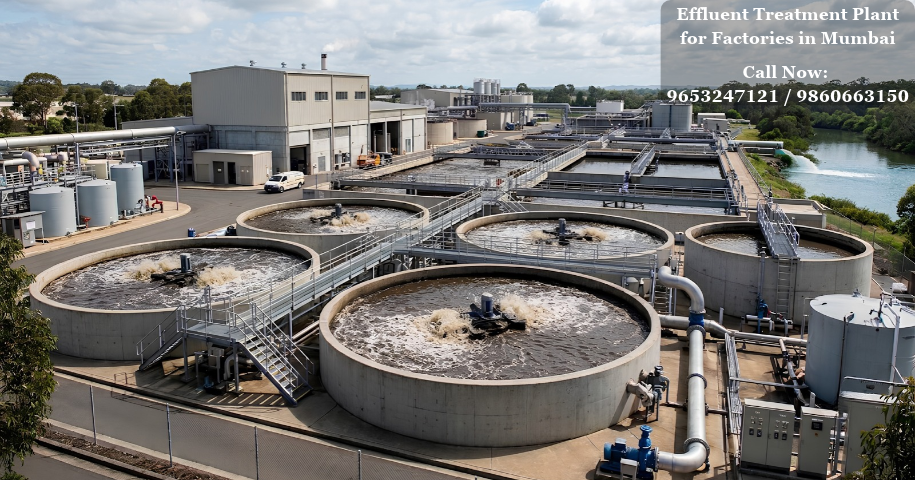
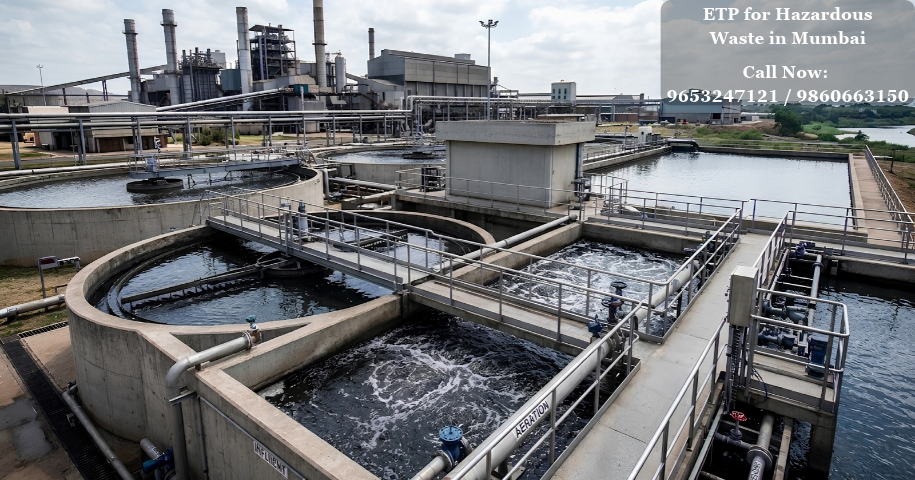
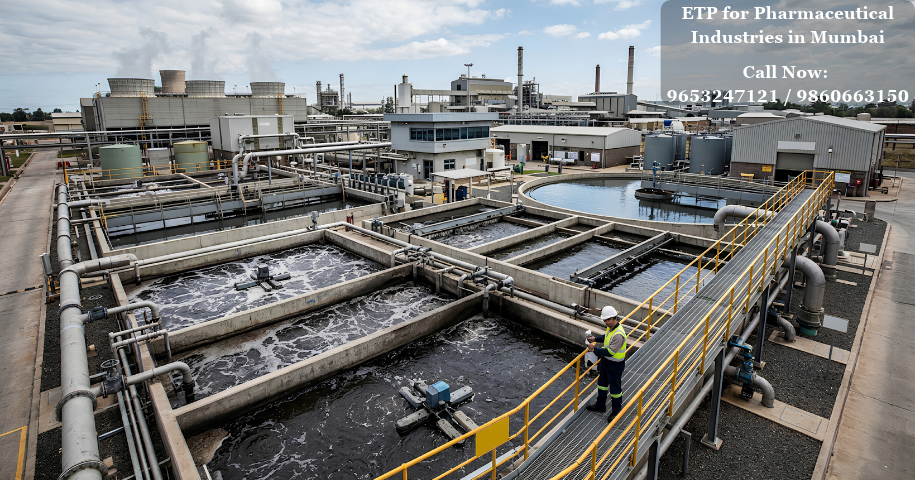
An Effluent Treatment Plant forms an important part of many pharmaceutical wastewater treatment systems. It treats industrial wastewater through suitable physical, chemical, and biological processes before further water recovery.
2. Ultrafiltration (UF) System
Ultrafiltration uses membrane technology to remove suspended solids, colloidal particles, and other larger contaminants. It can help protect downstream RO membranes when appropriately selected and operated.
3. Reverse Osmosis (RO) Plant
An RO system separates a significant portion of dissolved salts from wastewater. It produces a permeate stream for potential reuse and a concentrated reject stream for further treatment.
4. Multiple Effect Evaporator (MEE)
An MEE system uses multiple evaporation stages to concentrate wastewater while reusing heat energy between effects. It can be used to process concentrated reject streams in suitable ZLD applications.
5. Mechanical Vapour Recompression (MVR)
MVR technology compresses generated vapour to increase its temperature and reuse its latent heat. It can reduce external energy requirements under suitable operating conditions.
Environmental and Regulatory Considerations for Pharmaceutical ZLD Plants
Environmental management is an important responsibility for pharmaceutical manufacturers. Before implementing a ZLD project, companies should evaluate the applicable consent conditions, regulatory directions, wastewater discharge requirements, and monitoring obligations.
The Central Pollution Control Board (CPCB) and relevant State Pollution Control Boards provide guidance and requirements relating to industrial wastewater management.
For pharmaceutical industries, specific attention may be required for:
- Effluent characterization.
- Active pharmaceutical ingredient residues.
- Wastewater treatment performance.
- Water reuse quality.
- Monitoring and recordkeeping.
- Sludge and hazardous-waste management.
- Prevention of unauthorized wastewater discharge.
- Applicable consent conditions.
A ZLD system should be designed and operated according to the actual regulatory requirements applicable to the facility.
Aquacaresee can support customers with water and wastewater treatment engineering, consultancy, installation, commissioning, and O&M services.
Cost of a ZLD Plant for the Pharma Industry in Banswara
The cost of a pharmaceutical ZLD plant varies according to the treatment capacity, wastewater characteristics, selected technology, water recovery requirements, equipment specifications, and installation conditions.
Plant Capacity
The volume of wastewater generated daily has a direct influence on equipment sizing and project cost. A higher-capacity plant generally requires larger treatment equipment and greater utility infrastructure.
Wastewater Characteristics
High TDS, COD, chemical concentrations, and complex contaminants may require additional pretreatment stages. This can influence equipment selection and operating expenses.
Treatment Technology
The selection of UF, RO, MEE, MVR, ATFD, and other technologies affects the overall investment. The appropriate combination depends on wastewater analysis and recovery objectives.
Energy and Chemical Requirements
Electricity, steam, cooling water, treatment chemicals, and cleaning requirements contribute to operating costs.
Installation and Civil Work
Site preparation, foundations, tanks, piping, electrical work, and integration with existing facilities also influence the project budget.
ZLD Plant Applications Beyond Pharmaceutical Manufacturing
Aquacaresee understands that water and wastewater management requirements extend beyond one industry.
Manufacturing Facilities
Manufacturing facilities may require ETP, WWTP, RO, UF, and ZLD systems to manage process wastewater and recover water for suitable applications.
Healthcare Facilities
Hospitals and laboratories require appropriate wastewater treatment systems to manage wastewater generated through daily operations.
Hotels and Hospitality Projects
Hotels, resorts, and commercial hospitality facilities can benefit from STP and wastewater recycling systems that support responsible water use.
Agricultural Processing
Food processing, agricultural production, and agro-industrial facilities may require treatment systems for wastewater generated through washing and production activities.
Municipal Infrastructure
Municipal authorities, infrastructure developers, and public institutions may require STP, MBR, and other sewage treatment technologies.
E-E-A-T (Experience, Expertise, Authoritativeness, Trustworthiness)
Experience
Aquacaresee has 20+ years of experience in water and wastewater treatment solutions.
Expertise
The company provides customized ZLD plant solutions based on pharmaceutical wastewater characteristics.
Authoritativeness
Aquacaresee specializes in industrial water treatment, wastewater management, and water recovery systems.
Trustworthiness
The company focuses on quality, reliable project execution, installation, and maintenance support.
Frequently Asked Questions (FAQs)
Q1. What is a ZLD Plant for the Pharma Industry in Banswara?
Ans: A Zero Liquid Discharge (ZLD) plant is a wastewater treatment system designed to recover and reuse treated water while minimizing or eliminating liquid wastewater discharge from pharmaceutical manufacturing facilities.
Q2. Why do pharmaceutical industries need a ZLD plant?
Ans: Pharmaceutical industries generate wastewater containing chemicals, solvents, dissolved solids, and other process-related contaminants. A ZLD plant helps manage this wastewater, recover reusable water, and reduce liquid waste disposal.
Q3. What technologies are used in pharmaceutical ZLD plants?
Ans: Depending on wastewater characteristics, ZLD systems may use filtration, ultrafiltration, reverse osmosis, evaporation, and crystallization technologies to treat wastewater and recover water.
Q4. What are the benefits of installing a ZLD plant in Banswara?
Ans: A ZLD plant helps pharmaceutical manufacturers conserve water, reduce wastewater discharge, recover valuable water resources, and support more sustainable industrial operations.
Q5. How do I choose the right ZLD Plant Manufacturer for the Pharma Industry in Banswara?
Ans: Consider the manufacturer’s experience, technical expertise, customized plant design, treatment technologies, installation support, and after-sales maintenance services.
Contact Us
- Call Us:+ 91 – 95215 44147
- Write to Us: marketing@aquacaresee.com
- Online: www.aquacaresee.com, Facebook and Instagram
- Mumbai Office: 8th floor office No.810, KAMDHENU 23 WEST, TTC Industrial Area, MIDC Industrial Area, Pawne, Navi Mumbai, Maharashtra 400705, Navi Mumbai, Maharashtra 400705.
- Pune Office: Office No. 204, Aquacaresee Pvt. Ltd.; 205; and 206, Old Mumbai-Pune Hwy, opp. Hotel Silver Seven, Akurdi Gaothan, Vivek Nagar, Akurdi, Pimpri-Chinchwad, Pune, Maharashtra 411035.
- Jaipur Office: Hanuman Vatika, F/1 – 56-A/3, I, opposite Golden Dags Resorts, near 200 Feet Bypass Road, Hanuman Vatika-1, Heerapura, Heerawala, Jaipur, Rajasthan 302024.
Conclusion
Implementing a ZLD Plant for the Pharma Industry in Banswara is an important step towards responsible wastewater management, water conservation, and sustainable pharmaceutical manufacturing. Pharmaceutical industries generate wastewater containing different chemicals, dissolved solids, and process-related contaminants. A properly designed Zero Liquid Discharge system helps treat wastewater, recover reusable water, and minimize liquid waste disposal.
Choosing the right technology and treatment partner is essential for achieving efficient plant performance. Aquacaresee offers customized water and wastewater treatment solutions, including ZLD systems, based on industry requirements and wastewater characteristics. With 20+ years of experience, the company focuses on providing reliable solutions for industrial wastewater treatment, water recovery, installation, and maintenance.
If you are planning to install a ZLD Plant for the Pharma Industry in Banswara, connect with Aquacaresee for expert guidance and customized treatment solutions. The right ZLD system can help your pharmaceutical facility improve water efficiency, reduce wastewater discharge, and support long-term environmental sustainability.
Call Now: 9521544147
“Found this useful? Share it with your network!”